


Summary
- Designer Tatyana Bramaretskaya said Moscow Fashion Week had helped increase sales and advertising reach, while also providing an opportunity to present her work at China Fashion Week in Beijing.
- The designer said participating in Moscow Fashion Week had increased the brand’s recognition and helped secure contracts with major retail stores.
- Levitskiy said participation in Moscow Fashion Week had helped the brand attract buyers, sign contracts and establish a showroom presence in Moscow.
AI Generated Summary
By Waqas Habib Rana
MOSCOW — Cyberpunk-inspired streetwear, futuristic interpretations of Russian folk traditions, contemporary Indian design and the opulence of 18th-century France took centre stage as Moscow Fashion Week’s second day delivered a striking showcase of contrasts.
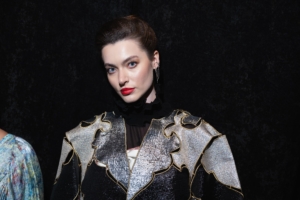 Photo credit: Minute mirror
 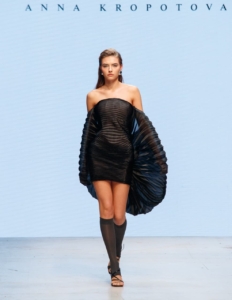 Photo credit: Minute mirror
 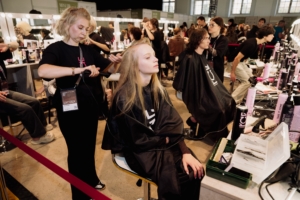 Photo credit: Minute mirror
 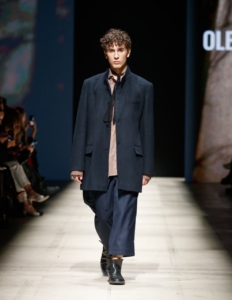 Photo credit: Minute mirror
 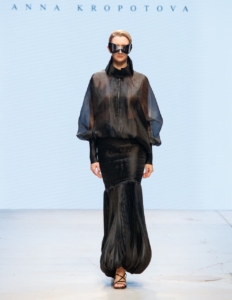 Photo credit: Minute mirror
 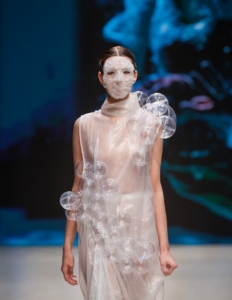 Photo credit: Minute mirror
 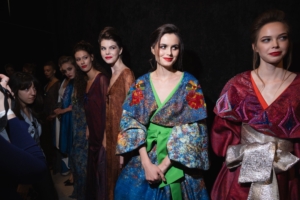 Photo credit: Minute mirror
 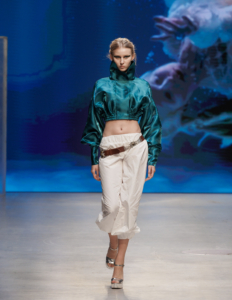 Photo credit: Minute mirror
 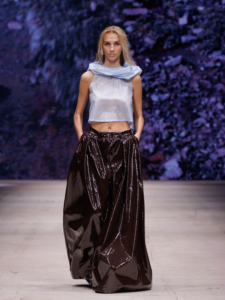 Photo credit: Minute mirror
The September 27 programme brought together emerging designers, established Russian labels and international participants, with collections drawing inspiration from cultural heritage, art, nature and everyday observations. From a frozen puddle to historical French fashion, designers transformed unexpected references into contemporary runway statements.
The day highlighted the diversity of Russia’s regional fashion industry while demonstrating how international platforms can help designers expand their audiences, establish commercial relationships and reach new markets.
Siberian cyberpunk and Russian heritage
The programme opened with Designer. Made in Siberia, a project from Novosibirsk that brought emerging and established designers together on the runway.
Moving beyond conventional interpretations of regional folklore, the collections combined Buryat-Mongolian motifs with cyberpunk aesthetics, fur, sequins and sculptural forms. Traditional patterns acquired three-dimensional shapes, while futuristic accessories challenged familiar images of Siberia.
Designer Viktoria Molonova, whose five-look collection explored the transformation of Buryat patterns into three-dimensional forms, described participation as a significant professional milestone.
The futuristic mood continued with Brand Brama from Komsomolsk-on-Amur. Its Monochrome Amur collection featured oversized quilted bombers, cargo trousers, long straps and woollen coats in vivid pinks and deep blacks.
Designer Tatyana Bramaretskaya said Moscow Fashion Week had helped increase sales and advertising reach, while also providing an opportunity to present her work at China Fashion Week in Beijing.





Comments
0 commentsNo comments yet — be the first.