

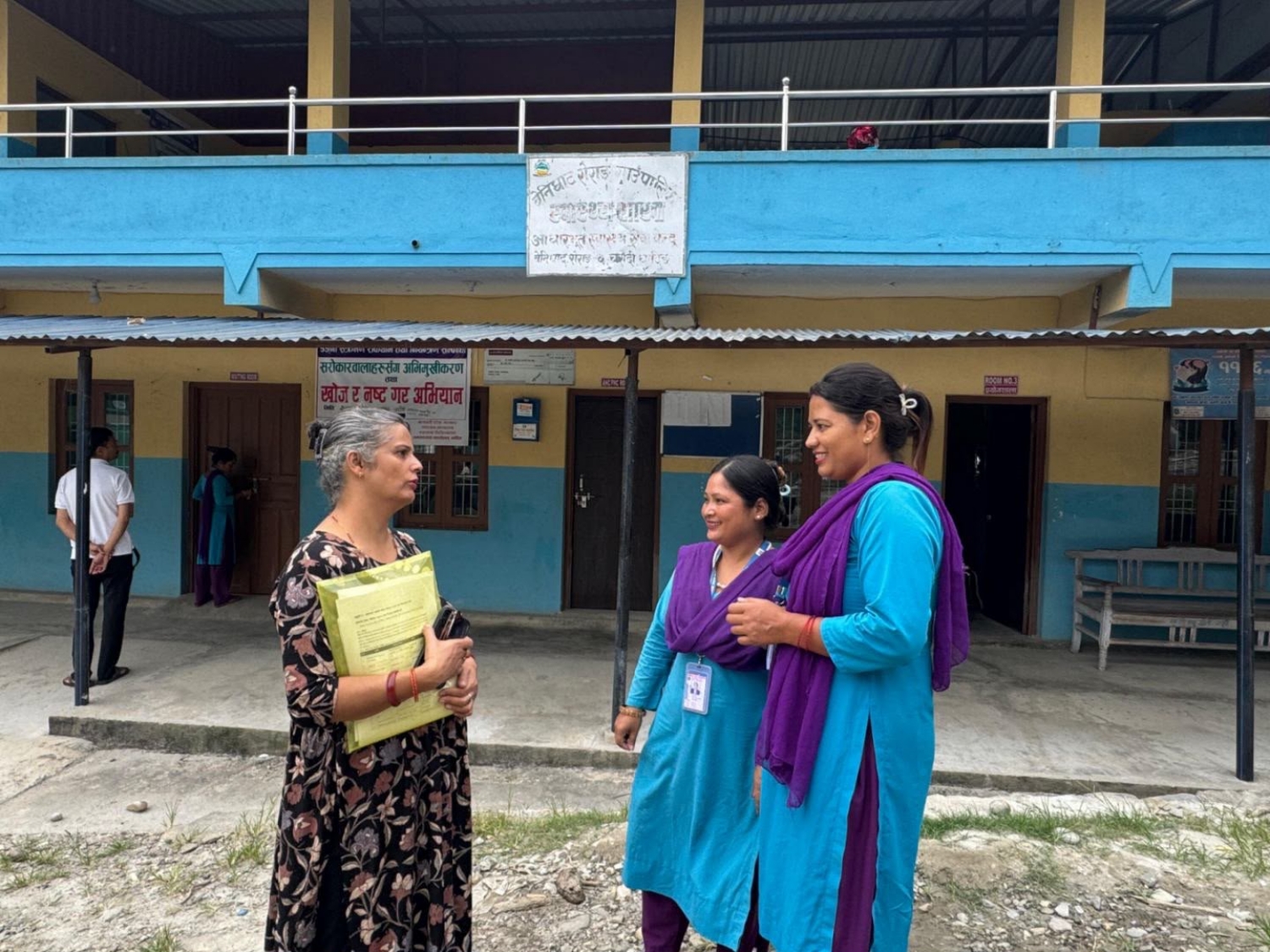
At Benighat, a mother takes a long detour along damaged roads carrying a child with high fever. The bridge connecting her village to the community health post was swept away in the 26 August flood.
Health workers at the hospital use a room heater because the infant radiant warmer is no longer functioning. Across the Trisuli, a woman in labour has to wait to sit in a precarious cable basket to be pulled across the debris-strewn river.
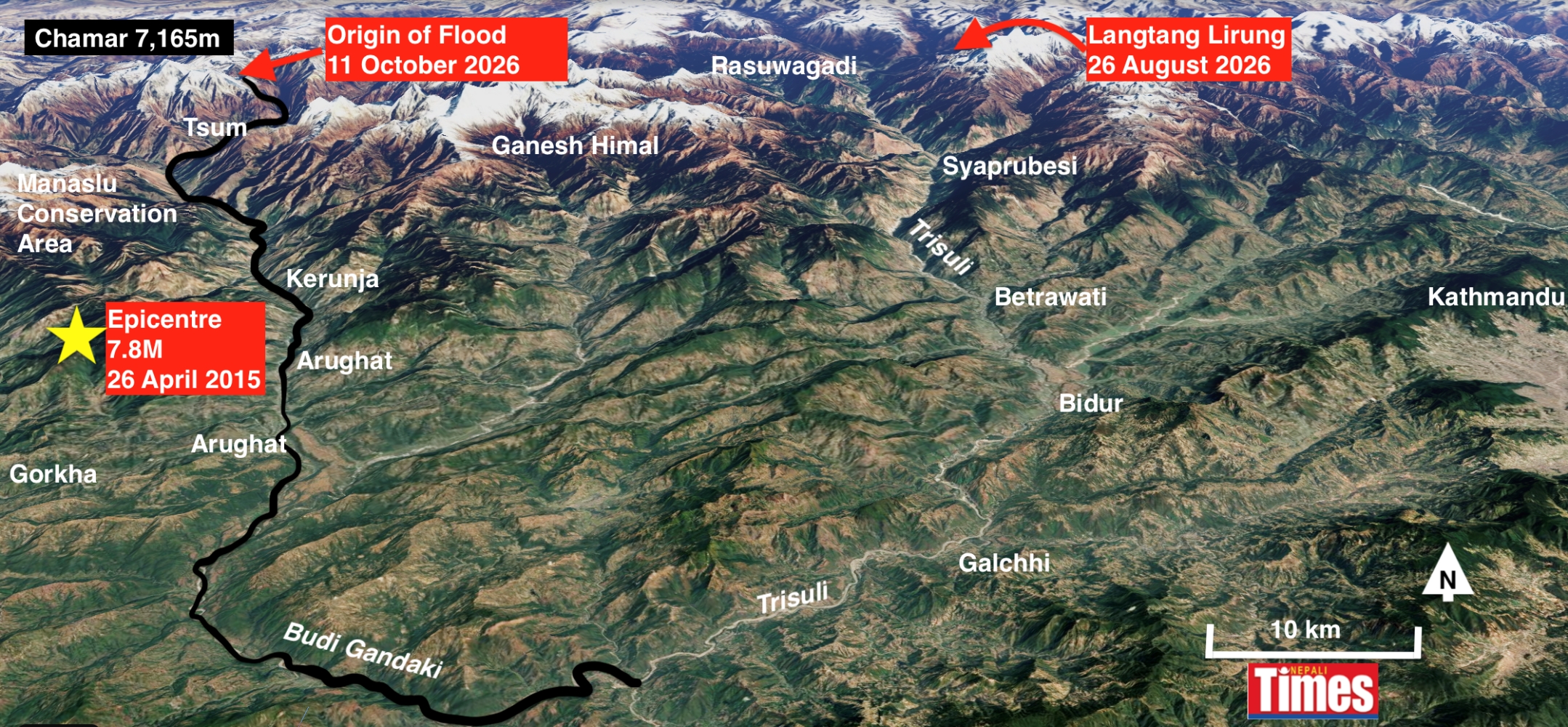
Nearly six weeks after the castastrophic flood, and 80km downstream from where the mountain fell, the immediate emergency may have passed for the survivors, but there is now a silent health crisis.
The damaged roads and missing bridges have cut off access to health centres even to families who were not directly affected by the debris flow. Even when there is a way, it is dangerous and takes much longer.
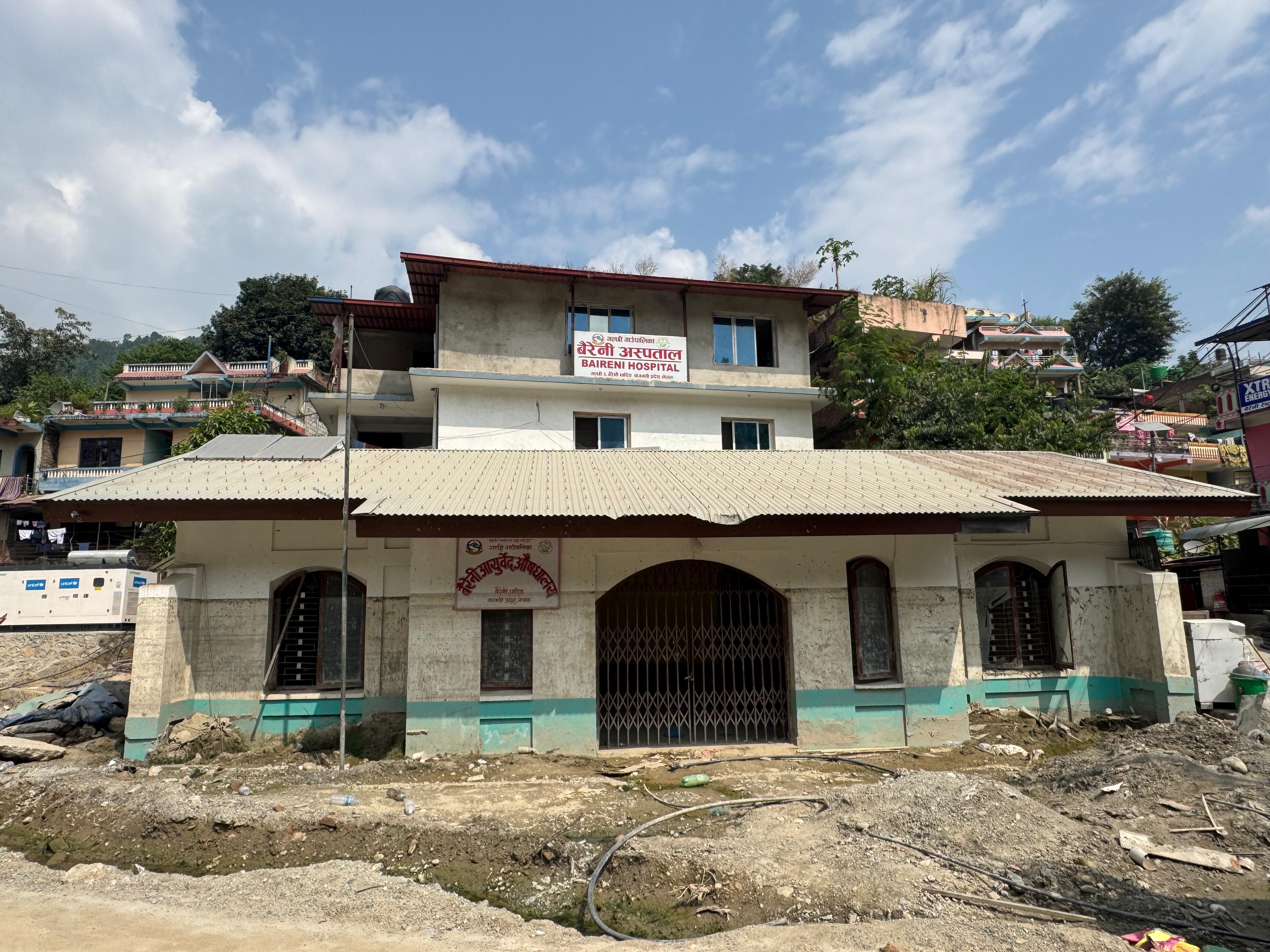
Photo credit: Nepali Times
This week, the government announced that the search-and-rescue phase has given way to rehabilitation and reconstruction. But despite this, the health crisis continues in delayed maternity referrals, disrupted treatment for chronic illnesses, lack of essential medicines, unsafe water, the risk of disease outbreaks and the psychosocial trauma of losing loved ones, homes and livelihoods.
When a bridge disappears, a health facility loses essential equipment or an ambulance cannot reach a settlement, the consequences extend far beyond damaged infrastructure. A treatable illness can become life-threatening when the neighbourhood pharmacy is swept away. A manageable pregnancy complication can become an obstetric emergency, and a family already struggling with loss can be pushed further into hardship by the cost and uncertainty of seeking care.
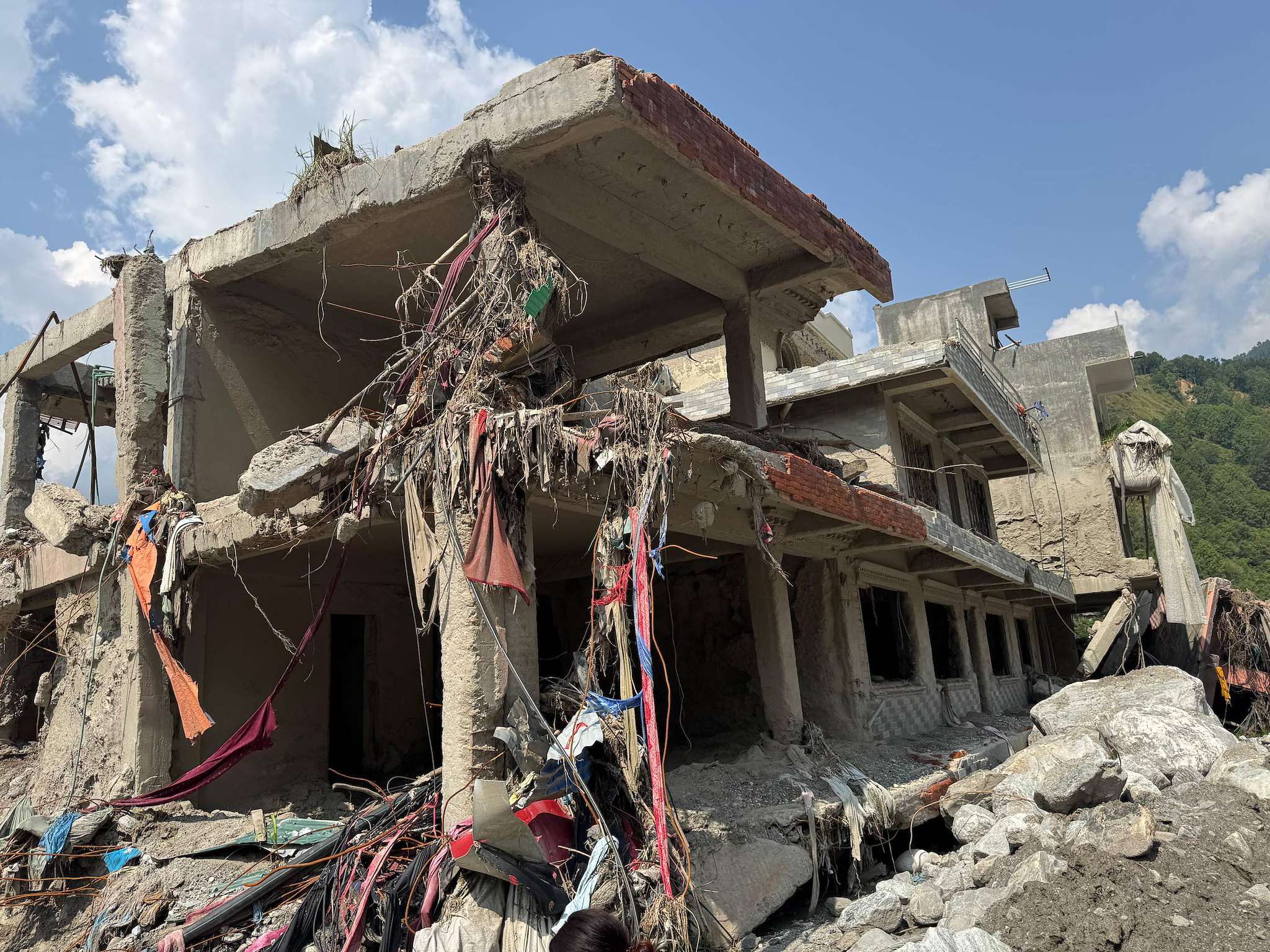
“Betrawati is gone, and Trisuli badly needs to be rebuilt. In an emergency there is no specialised care for us so we must make the expensive journey all the way to Kathmandu,” says patient Sitaram Rimal, 67.
Emergency relief like food, water, medicines and shelter remain essential, but the regions’s health system needs to get back to caring for a catchment of at least 250,000 people.
Reconstruction of physical infrastructure also needs to go hand-in-hand with adequate health workers, safe maternity and newborn care, reliable ambulance and referral systems, and mental health support.
In Betrawati, Trisuli Bazar and Devighat, entire neighborhoods have been obliterated, the ruins are covered in grey mud. Families who survived have been living in tents either under the blazing sun or torrential rain. Rice fields ready for harvest are under several metres of mud.
Displacement has brought its own health risks: overcrowded shelters, unsafe drinking water, lack of essential medicines and uncertainty about where to go if a family member falls ill. For pregnant women, young children, older people and those living with chronic conditions, these are not simply the hardships of displacement, they are barriers to survival.




Comments
0 commentsNo comments yet — be the first.