

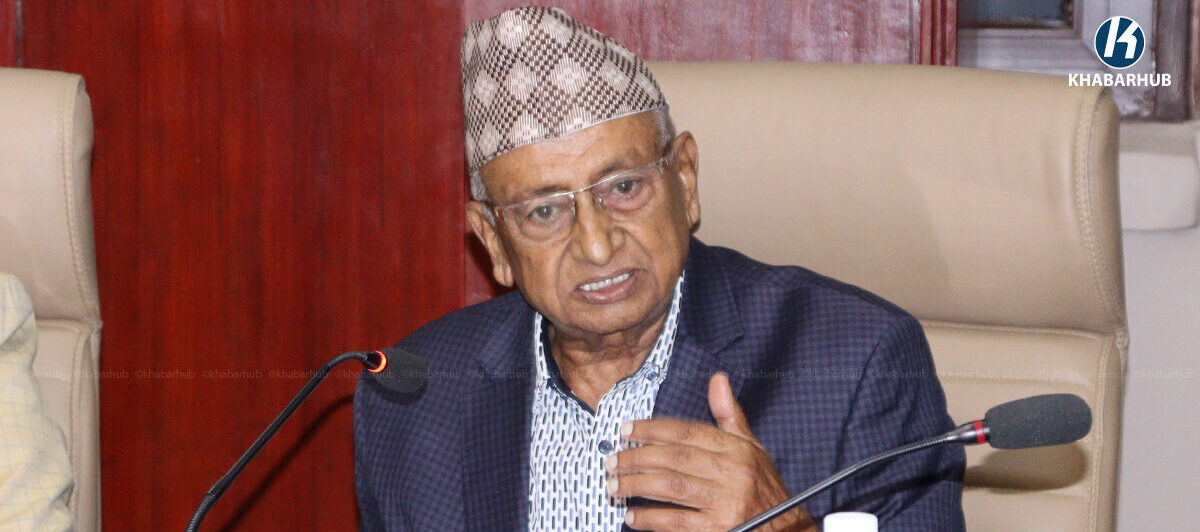
Nepal’s relationship with India cannot be discussed without acknowledging its complexities. Based on my experience, there is often a significant difference between the way bilateral issues are handled at the policy and diplomatic levels and how they are perceived publicly. My understanding is that Indian ministers serving in Prime Minister Narendra Modi’s cabinet genuinely want to improve relations with Nepal.
Take the Pancheshwar project, for example. The issue is closely linked to energy cooperation, yet it could remain unresolved for another decade if left entirely to the bureaucracy. When Nitin Gadkari was India’s transport minister and Sher Bahadur Deuba was Nepal’s prime minister, I had an interesting conversation with an Indian diplomat.
The diplomat suggested that Nepal did not necessarily need to use the entire volume of water available. Instead, Nepal could calculate its actual water requirements, use its share optimally and allow India to utilise the surplus. In return, India could make a larger contribution to the project’s investment costs.
His point was straightforward: if the political leadership first created an enabling environment, the issue could be resolved quickly. He suggested a 70:30 investment-sharing arrangement or, if that was not feasible, a 65:35 arrangement. Such an agreement could have been reached relatively easily at the policy level.
However, the moment such an arrangement is proposed in Nepal, opposition emerges. When I discussed the idea with several stakeholders here, their immediate concern was whether India would accept it.
At the policy level, there is considerable goodwill within the Indian government towards building more harmonious relations with Nepal. Nepal must reciprocate that goodwill with a clear vision, practical proposals, mutual trust and the political determination to implement agreements.
One advantage the current prime minister and government have is that they carry no historical baggage. They have an opportunity to approach bilateral relations with a fresh perspective.
When I was involved in policymaking, I returned to Nepal and shared what Prime Minister Modi had told me directly. He observed that both countries were trapped in a cycle of mutual accusations. Nepal’s bureaucracy, he said, often assumed that India would refuse to cooperate or would not allow certain initiatives to proceed. I, too, had repeatedly raised concerns about India’s reluctance to address Nepal’s issues.
Consider the trade disputes. Countervailing duties have been imposed on products such as jute and tea, while anti-dumping measures and other trade barriers have created additional difficulties. Several disputes have even ended up in court. These problems have often emerged from disagreements between private-sector stakeholders.
Whenever Nepal introduces a new policy, some Indian business interests may seek to influence its implementation in ways that favour their own investments. Nepal’s participation in such ventures is often relatively small, yet Nepali businesses struggle to gain access to the Indian market. If bilateral trade relations are genuinely improving, why do Nepal’s products continue to face such difficulties?





Comments
0 commentsNo comments yet — be the first.