

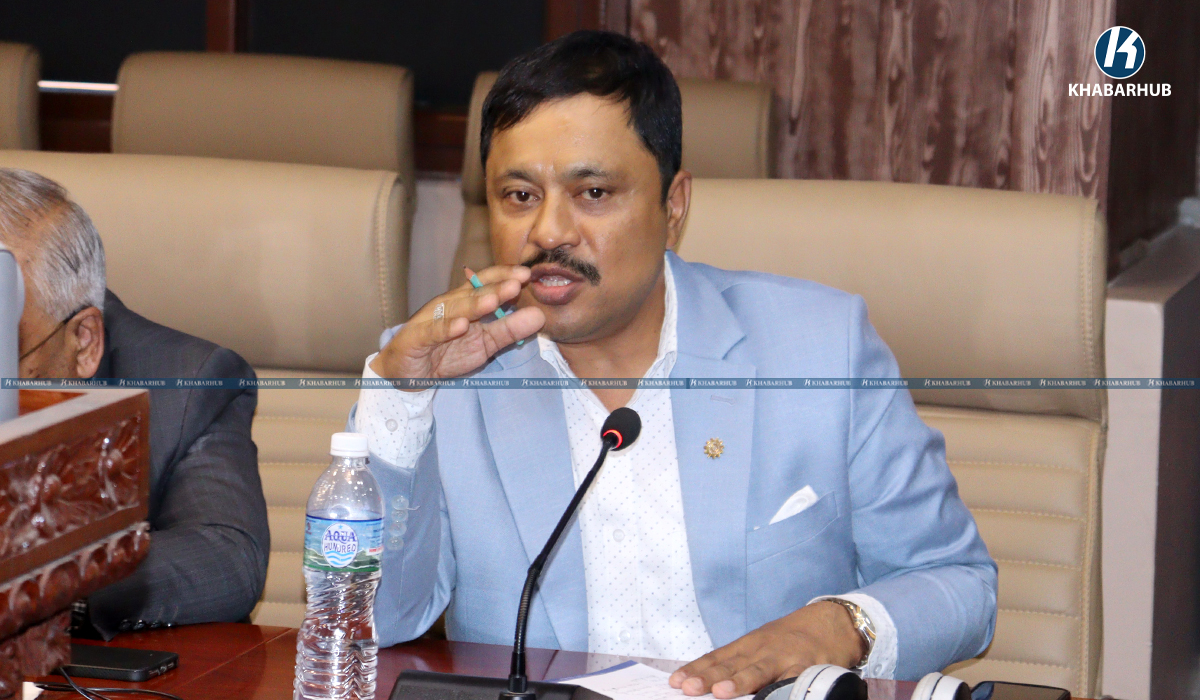
India is Nepal’s largest trading partner, but Nepal’s private sector has yet to receive the transit facilities that a landlocked country should be entitled to. This issue should be raised during Prime Minister Balendra Shah’s upcoming visit to India.
Transit logistics has become an increasingly important issue in global trade. Nepali businesses currently spend around 18 to 22 percent of their required logistics costs on these services, with a significant portion going towards transit through India. We need to discuss how these processes can be simplified and made more efficient.
Nepal has already brought its integrated check posts (ICPs) into operation and books containers from international markets. However, at Indian ports such as Visakhapatnam and Kolkata, we have yet to receive the automated transshipment facilities available at ports in countries such as Sri Lanka, Malaysia and Singapore.
Every container arriving at an Indian port requires a complete set of documents, creating additional costs and delays for Nepali importers. Why can’t we adopt the streamlined procedures used elsewhere in the world? Why must Nepali traders continue to bear these additional burdens?
Although there have been repeated decisions and discussions to address this issue, they have yet to be effectively implemented. This matter must also be taken up for further discussion between the two countries.
We have raised this issue on several occasions. Although the charges may initially appear insignificant, documentation costs can range from INR 4,500 at the lower end in Kolkata to INR 60,000–70,000 per container. These expenses require closer examination and should be discussed with the Indian side.
Another concern is the disruption of transit arrangements between Nepal and India, which is affecting Nepal’s overall trade. We often discuss rising prices without adequately examining the logistical difficulties contributing to them. These challenges must be addressed directly.






Comments
0 commentsNo comments yet — be the first.