

Advertisement
Summary
- Between FY24 and FY27, Sindh allocated 11.8 billion Pakistani rupees across provincial development programs for Tharparkar’s water and public health infrastructure.
- In normal rainfall years, dryland farming across 1.12 million acres yields 226,800 metric tons of crops—such as Pearl Millet (Bajra), Sorghum, Guar, and Sesame—generating 28.27 billion rupees in baseline farm-gate revenue for 245,000 rural households.
- To achieve lasting security, Sindh must enforce policy reforms: establish a public digital dashboard to track RO plant operations, reallocate 30% of irrigation development budgets toward rainwater harvesting, and decentralize water plant management to local community committees.
AI Generated Summary
By Faisal Murtaza
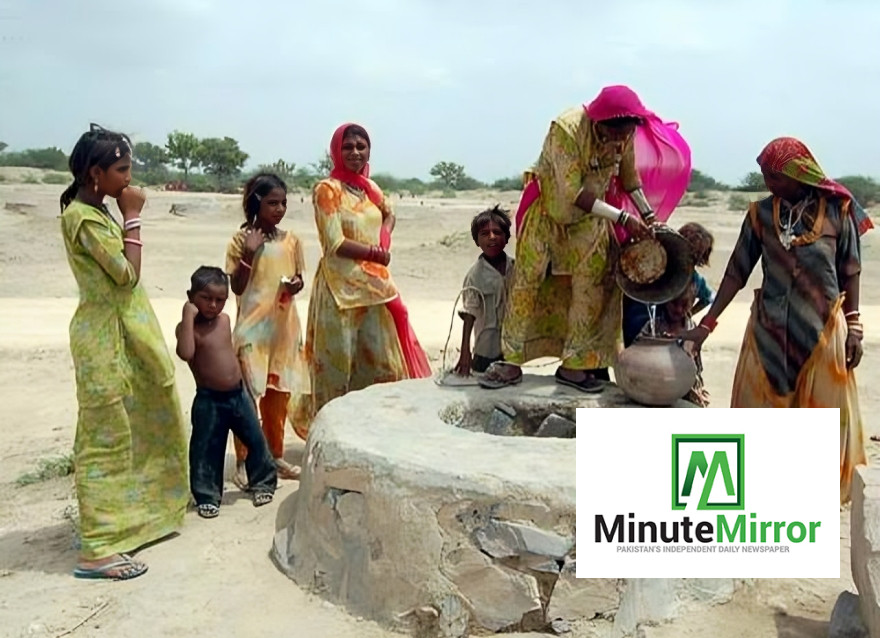
Tharparkar, a 20,000-square-kilometer desert district in southeastern Sindh, presents an acute human paradox: home to 1.65 million people, 7.8 million livestock, and billions of tons of coal powering Pakistan’s grid, its residents face severe water poverty. Annual monsoon rainfall averages just 200–300 mm, leaving communities reliant on shallow, highly saline groundwater. Over 80% of tested sources violate WHO safety limits for Total Dissolved Solids and fluoride. Every two to three years, failing monsoons trigger distress migrations of families and starving cattle to lower Sindh.
Advertisement
Advertisement






Comments
0 commentsNo comments yet — be the first.