

Summary
- Unlike most stars, which usually look white, blue or orange some of these stars may have unusual colours.
- Most stars appear white, blue or orange but some white dwarfs may have unusual colours because of the elements found in their outer layers.
- Scientists also found elements such as iron and magnesium in the outer layers of some white dwarfs. These materials are commonly found in rocks suggesting that rocky objects may once have existed near these stars.
AI Generated Summary
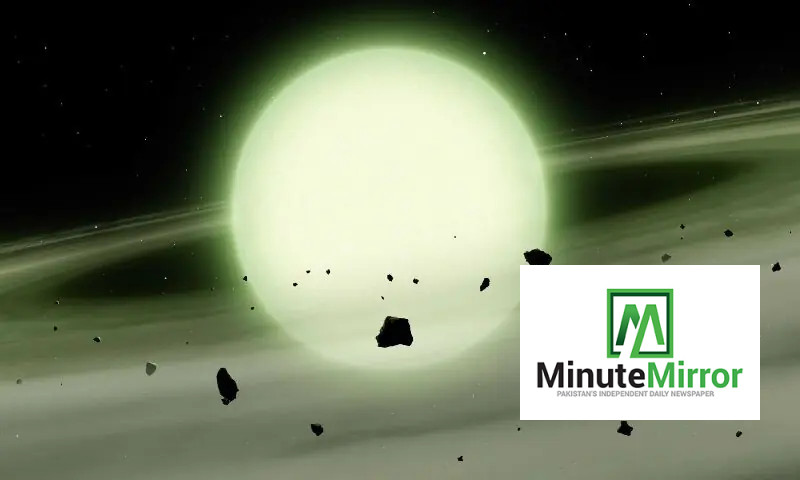
Scientists have studied a rare type of star that could appear green to the human eye. Unlike most stars, which usually look white, blue or orange some of these stars may have unusual colours.
Studying them could help researchers learn more about stars and planets that existed in the past.
According to a report published by CNN, the research was led by astronomer Mark Hollands from the University of Warwick in the United Kingdom and his colleagues.
The team examined 151 white dwarf stars located relatively close to Earth. Some of these stars showed unusual colours. The findings were published in the scientific journal RAS Techniques and Instruments.
What are white dwarf stars?
White dwarfs are the remains of stars that have reached the final stages of their lives. Stars similar to our Sun may also become white dwarfs when they use up most of their nuclear fuel.
These stars are relatively small but extremely dense. Although they no longer produce energy in the same way as younger stars they can continue to shine for billions of years.
Most stars appear white, blue or orange but some white dwarfs may have unusual colours because of the elements found in their outer layers.
Why could some stars look green?
The researchers found that certain white dwarfs contain elements such as calcium, sodium and lithium. These elements can affect the light coming from a star and change how its colour appears.









Comments
0 commentsNo comments yet — be the first.