

Summary
- In a country run by political oligarchs, their own children exist as so many young Prophets Musa (Moses) growing up inside the house of Pharaoh—disavowed from the moral sickness of the court, living under the roof of power while quietly despising the illegitimacy that bought their comfort.
- We have watched young people in Kathmandu break through police barricades; we have seen students in Dhaka dismantle an entrenched political dynasty with little more than national flags and raw, collective will; we have seen the youth of Rome, Paris, and Tehran transform their plazas into fiery theatres of refusal.
- Consider the terrifying psychological schism of this reality: a young man from a small town in Gujrat will refuse to march three miles to protest a doubling of his university tuition, citing the risk of teargas or arrest.
AI Generated Summary
The air above the Indus Basin has always carried a particular kind of dust—dense, ancient, laden with the silt of conquered dynasties and the fine ash of forgotten rebellions. To walk through Lahore, Rawalpindi, or Multan today is to sense that this dust has settled inside the lungs of a generation. You see them sitting in the dimly lit corners of artisanal cafes in Gulberg or huddled on plastic chairs in communal tuition halls in Nazimabad: young women with sharply tuned smartphones, young men in fast-fashion hoodies, their eyes burning with the blue light of high-resolution screens. They possess a terrifying, crystalline clarity about the world and their precise place on its margins. They know the exact rate of inflation; they can recite the structural adjusting sins of the IMF; they can parody the speeches of senior generals and civilian kleptocrats with rhythmic, devastating satire.
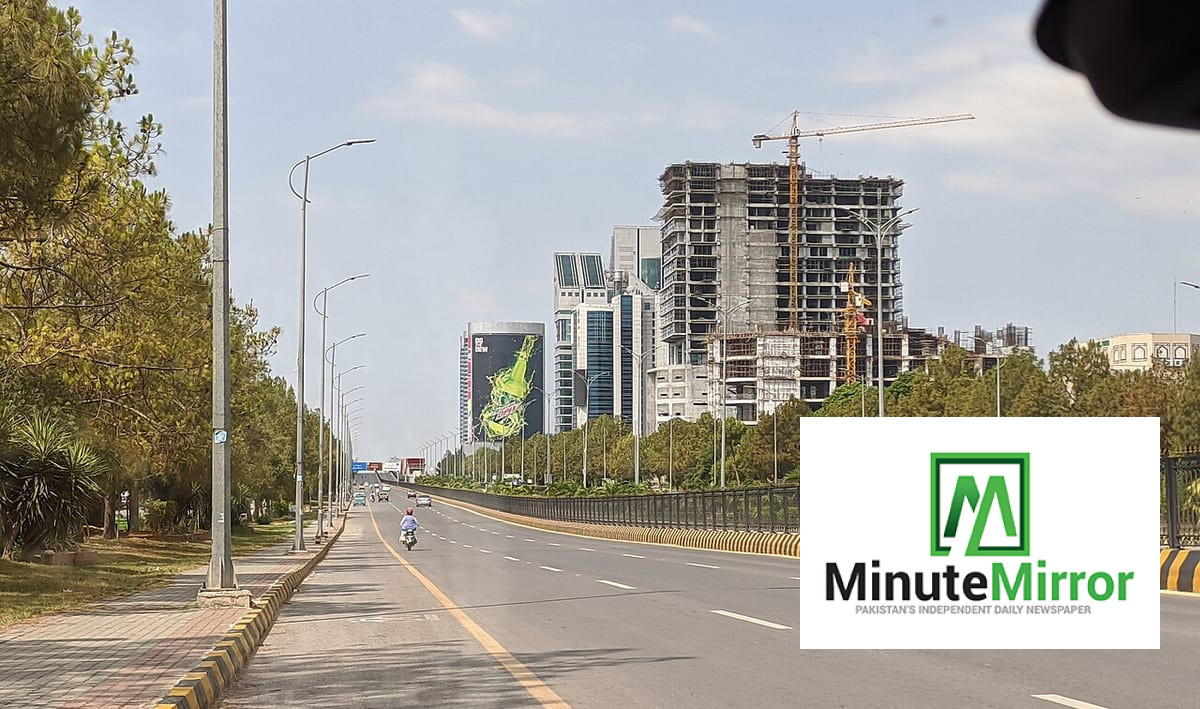
Yet, when you look outside at the wide, sun-scorched boulevards, the streets are eerily empty of them.
There is a profound, tragic paradox at work here—one that causes observers across the globe to mourn, weeping virtual tears of blood for a country so rich in potential yet so thoroughly betrayed. What makes this silence so extraordinarily unfortunate is the sheer absurdity of the moral landscape these young people are asked to inhabit. The current leadership of Pakistan presents a grotesque parade of anti-models: a political class celebrated not for statesmanship, but for mastering the arts of tax evasion, property laundering, land grabbing, and the shameful procurement of fake academic degrees.
The decay is so pervasive that it has rotted the private sanctuaries of power from within. It is a striking, tragic reality—one I have witnessed firsthand in the quiet, candelabra-lit corners of elite wedding halls in Islamabad and Lahore—that even the educated children of our ministers, parliamentarians, and senior PAS bureaucrats refuse to accept their own parents as role models. When you speak to these privileged sons and daughters of the ruling class, you discover a startling psychological truth: they view their home lives with a mixture of quiet disgust and existential despair. In a country run by political oligarchs, their own children exist as so many young Prophets Musa (Moses) growing up inside the house of Pharaoh—disavowed from the moral sickness of the court, living under the roof of power while quietly despising the illegitimacy that bought their comfort. When a nation’s leaders cannot command the moral respect of their own blood at the dinner table, how can they expect to inspire a generation to march for the future of the state?




Comments
0 commentsNo comments yet — be the first.