


Summary
- He built the buildings, but in doing so, he gave generations of students hope and a place to nurture their futures.
- Twelve residential hostels, a mosque, squash courts, a sports stadium and other supporting infrastructure eventually turned the once-remote site into a comprehensive residential educational institution.
- An educational institution becomes meaningful when its buildings begin serving students.
AI Generated Summary
He built the buildings, but in doing so, he gave generations of students hope and a place to nurture their futures. These buildings become dream achievers for many. Since 1992, students have studied within these walls, and many have gone on to become successful officers serving in different ranks and fields.
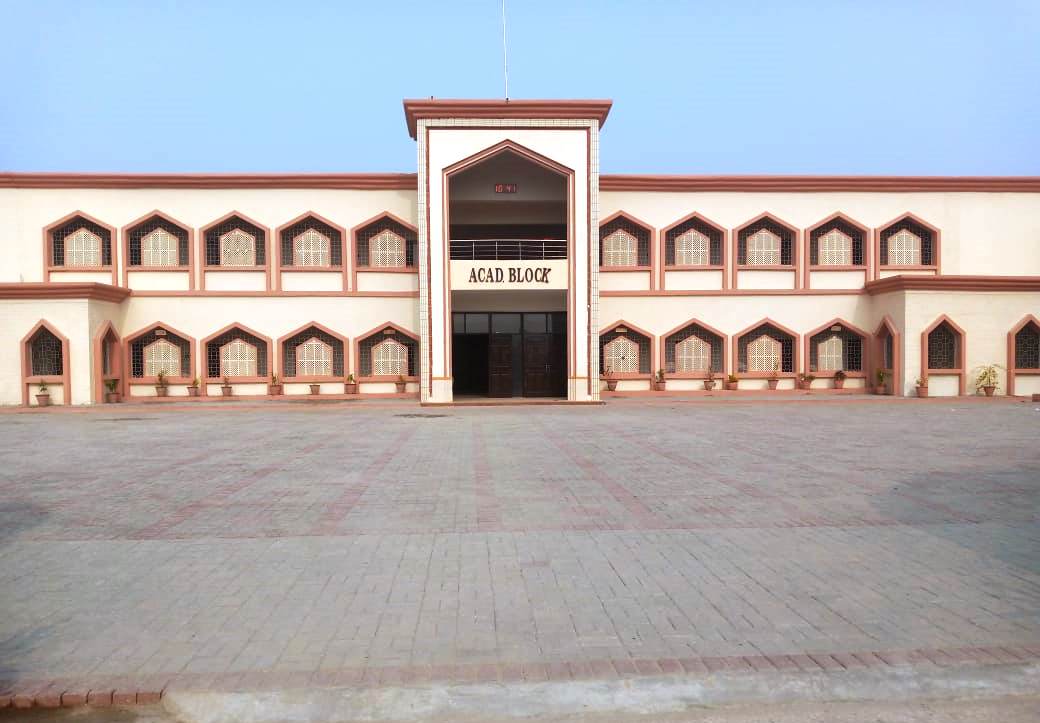
Behind these achievements stands a towering figure, Engineer Imtaiz Hussain Solangi. He did not merely build the college’s infrastructure; he helped build the future of students who came from different parts of the country. His journey began with a mission to create future leaders.
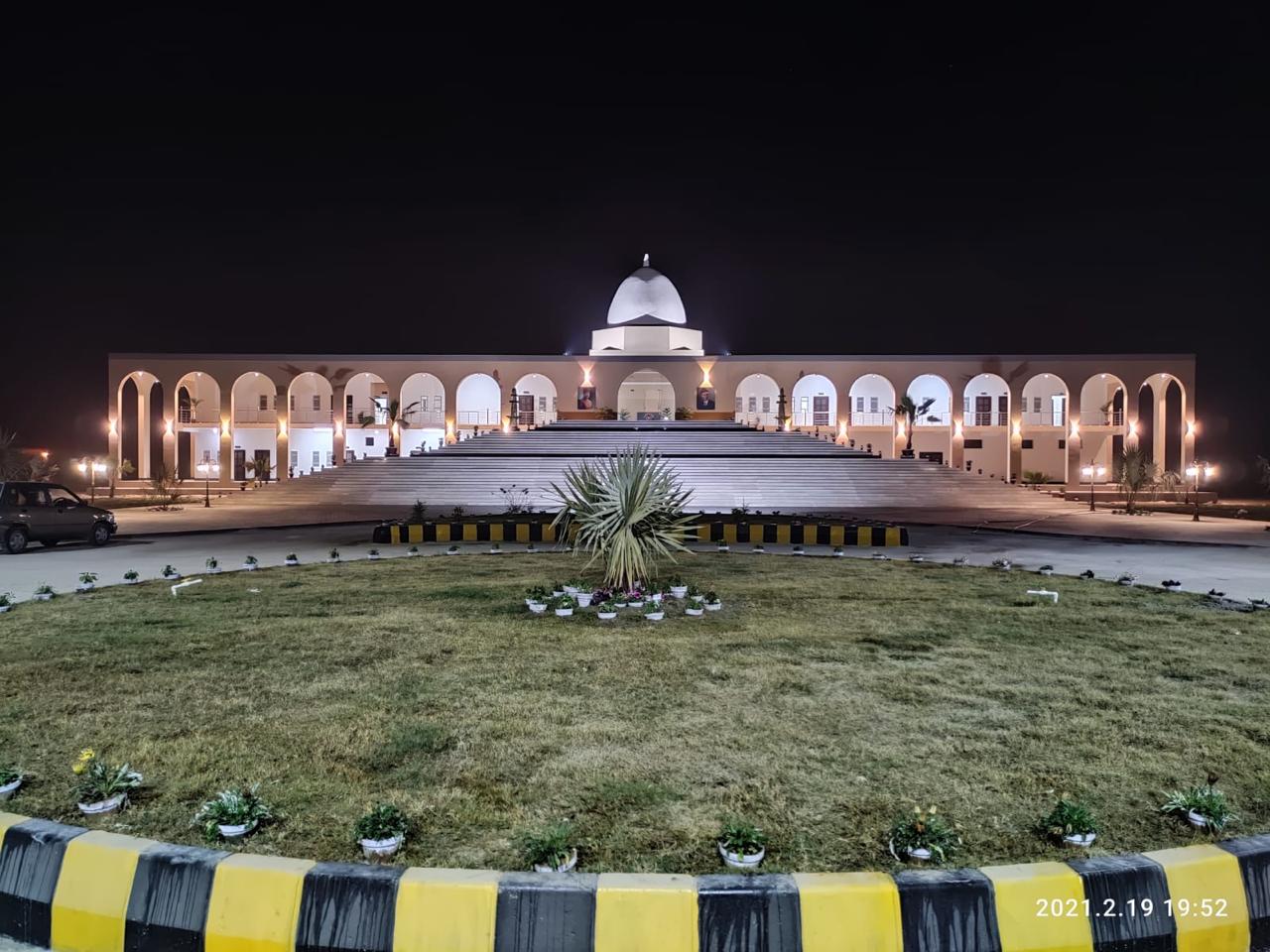
The place he came to was barren, its surroundings unfavourable, and the area was frequented by vagabonds and dacoits. Through consistent struggle, determination and a higher purpose, he built the structures that helped shape an institution now playing an important role in shaping the futures of countless young people. This is the story of an indefatigable man – an engineer.
For nearly 36 years in Sindh, Senior Engineer Imtiaz Hussain Solangi has been one of those people.
When he joined Cadet College Larkana in 1990, the site was far removed from the developed educational campus that exists today. Much of the surrounding landscape was barren, and transforming it into a modern residential educational institution required much more than engineering knowledge. It demanded patience, careful planning, technical expertise, constant supervision and the willingness to work in difficult conditions.
Today, anyone walking through Cadet College Larkana shall witness the physical record of art of state engineering and the credit goes to Mr. Imataiz Hussain, Engineer. The Iqbal Auditorium, with a seating capacity of around 1,500, became an important centre for academic and institutional activities.







Comments
0 commentsNo comments yet — be the first.