

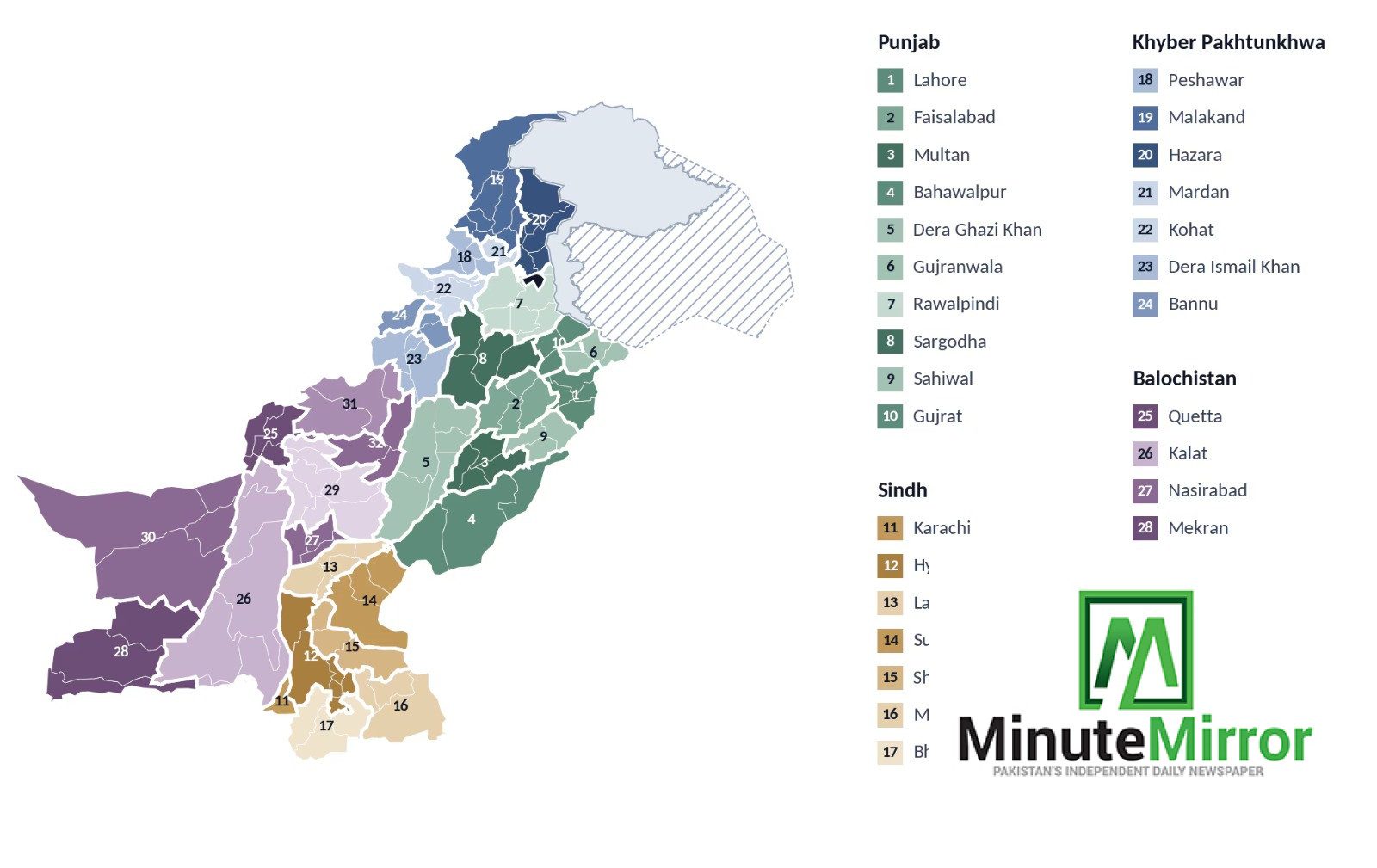
Summary
- Punjab has around 128 million residents, while Balochistan has fewer than 15 million spread across a considerably larger territoryThese demographic differences raise questions about whether the current administrative system can effectively deliver public services, distribute resources and ensure accountability.
- Options for Pakistan Pakistan could consider several administrative models, including dividing existing provinces into smaller units or reorganising governance around population balance and geographical requirements.
- One proposal would establish 16 administrative units, reducing the average population per unit from approximately 60 million to 15 million.
AI Generated Summary
Pakistan’s rapidly growing population has intensified the need to reform its administrative structure, as existing institutions struggle to meet the needs of increasingly large, diverse and unequal communities.
Since 1951, the country’s population has increased more than sevenfold, reaching approximately 260 million. However, Pakistan continues to operate through four main provinces with substantial differences in population, geography and development needs. Punjab has around 128 million residents, while Balochistan has fewer than 15 million spread across a considerably larger territory
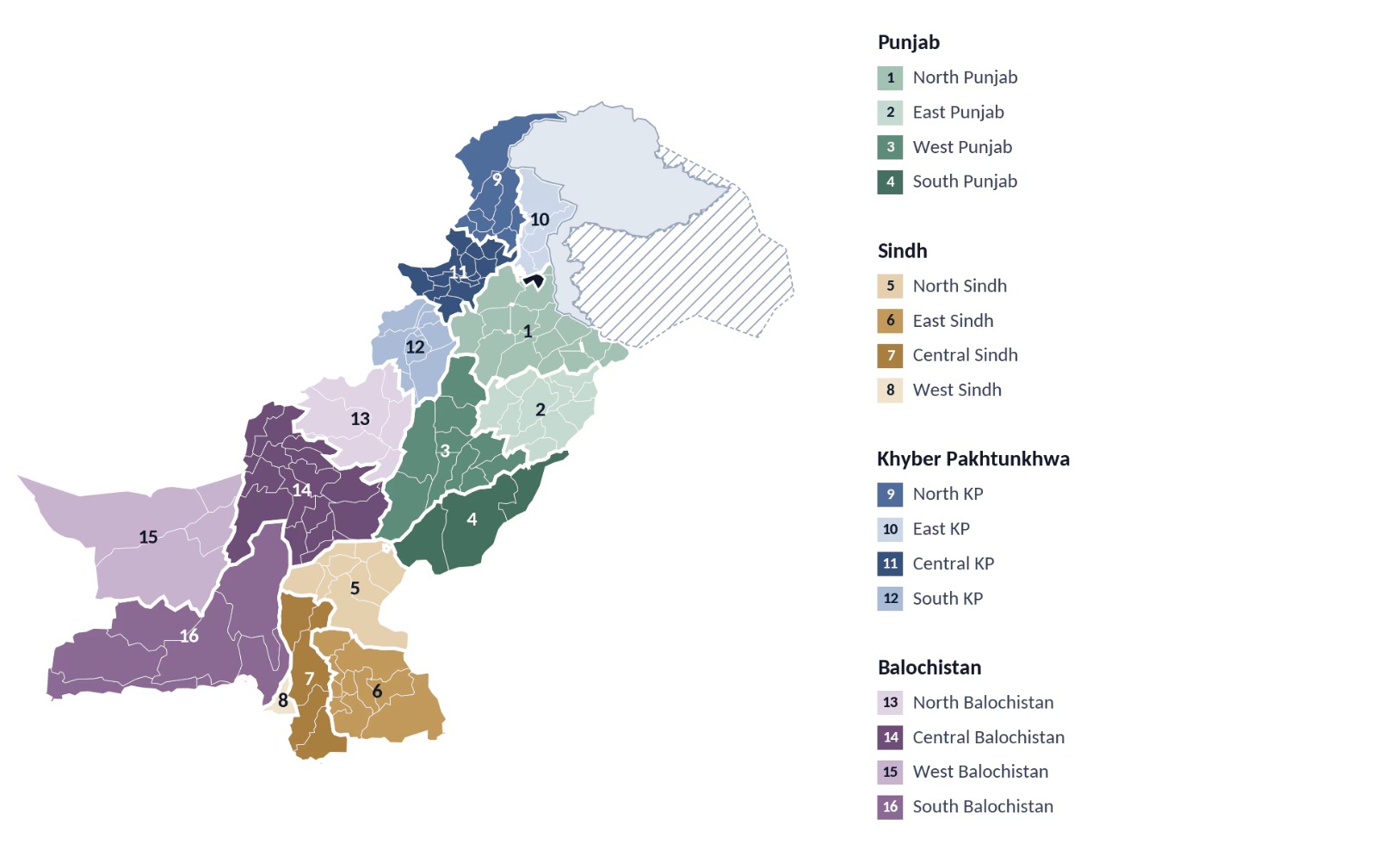
These demographic differences raise questions about whether the current administrative system can effectively deliver public services, distribute resources and ensure accountability.
Decentralisation and Governance
Administrative boundaries influence how governments collect taxes, allocate budgets, plan infrastructure and respond to emergencies. When these structures fail to reflect population changes, decision-making can become disconnected from local communities.








Comments
0 commentsNo comments yet — be the first.