

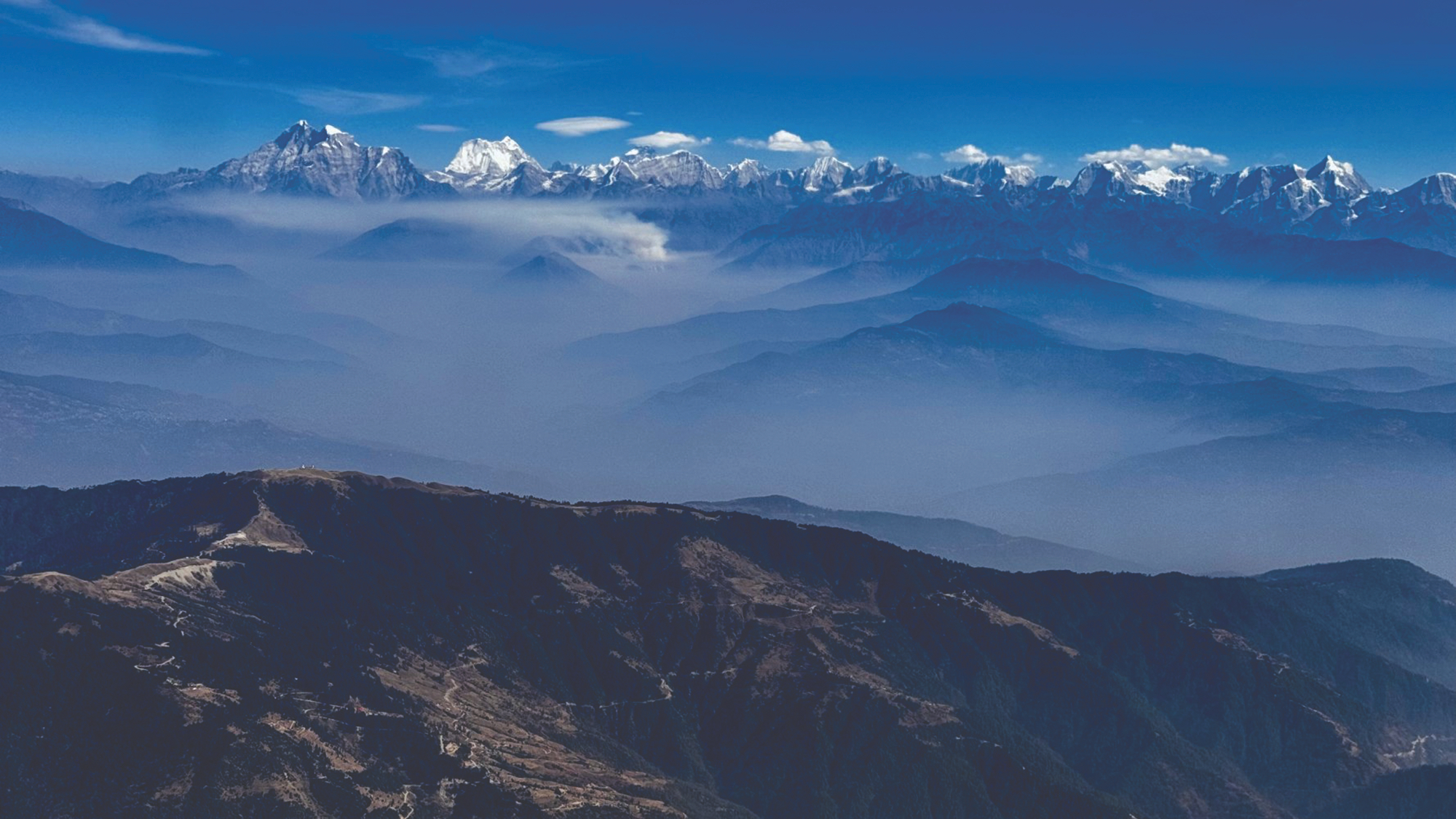
The season of floods and landslides will soon be replaced by winter air pollution that will make breathing hazardous to health. By the time spring returns next year, it will be the wildfire season. Then it will be time once more for monsoon floods.
Overlapping these chronic crises and amplifying their impact are background dangers of climate breakdown, earthquakes and mountain collapses. We might as well start getting used to casading hazards.
Both the government and the public have the tendency to take each disaster as it comes. It is a fatalist culture in which we hope for the best, but do not prepare for the worst.
Changing that culture means preparing to be prepared, not waiting till a disaster hits, but anticipating them. We can take mitigation measures now to minimise the impact of wildfires and floods next year and beyond.
This week, the government officially ended search and rescue for the over 5,200 still missing in the 26 August disaster, to concentrate on rehabilitation and reconstruction. The focus has shifted to safely relocating and providing sustainable livelihoods for over displaced 30,000 people.
The priority should be to help families of the dead and missing to obstain death certificates so they can have closure, access relief, compensation, get property papers, citizenship documents, and insurance. This work cannot be delayed by bureaucracy.
We must prepare also for the winter smog season. Farmers in both Punjabs are burning post-harvest rice stalks, and it is already visible in infrared NASA satellite images.







Comments
0 commentsNo comments yet — be the first.