

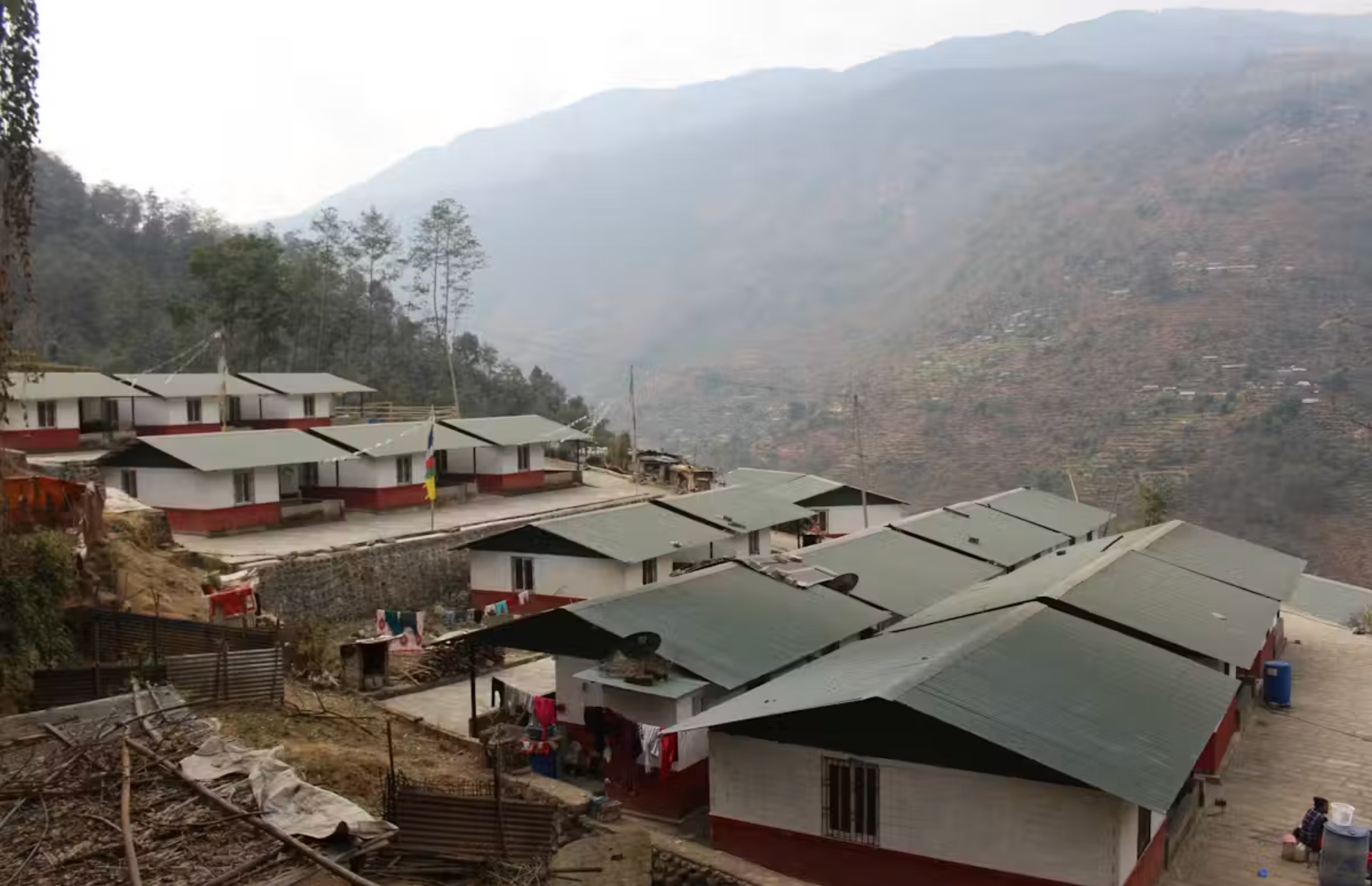
As Nepal prepares long-term recovery and risk-reduction strategies, we offer insights from our collaborative research about post-disaster reconstruction and displacement following Nepal’s 2015 earthquake, as well as ongoing mountain hazards, to highlight areas of concern for the country’s affected communities.
Policies and funding must protect people’s livelihoods and rights while the global community must meet Nepal’s demands for climate justice and reparation. A focus on the climate impact may help reduce long-term risk and vulnerability, but must proceed in tandem with in-depth engagement with affected communities, including many Indigenous Peoples, to determine what their immediate future will look like.
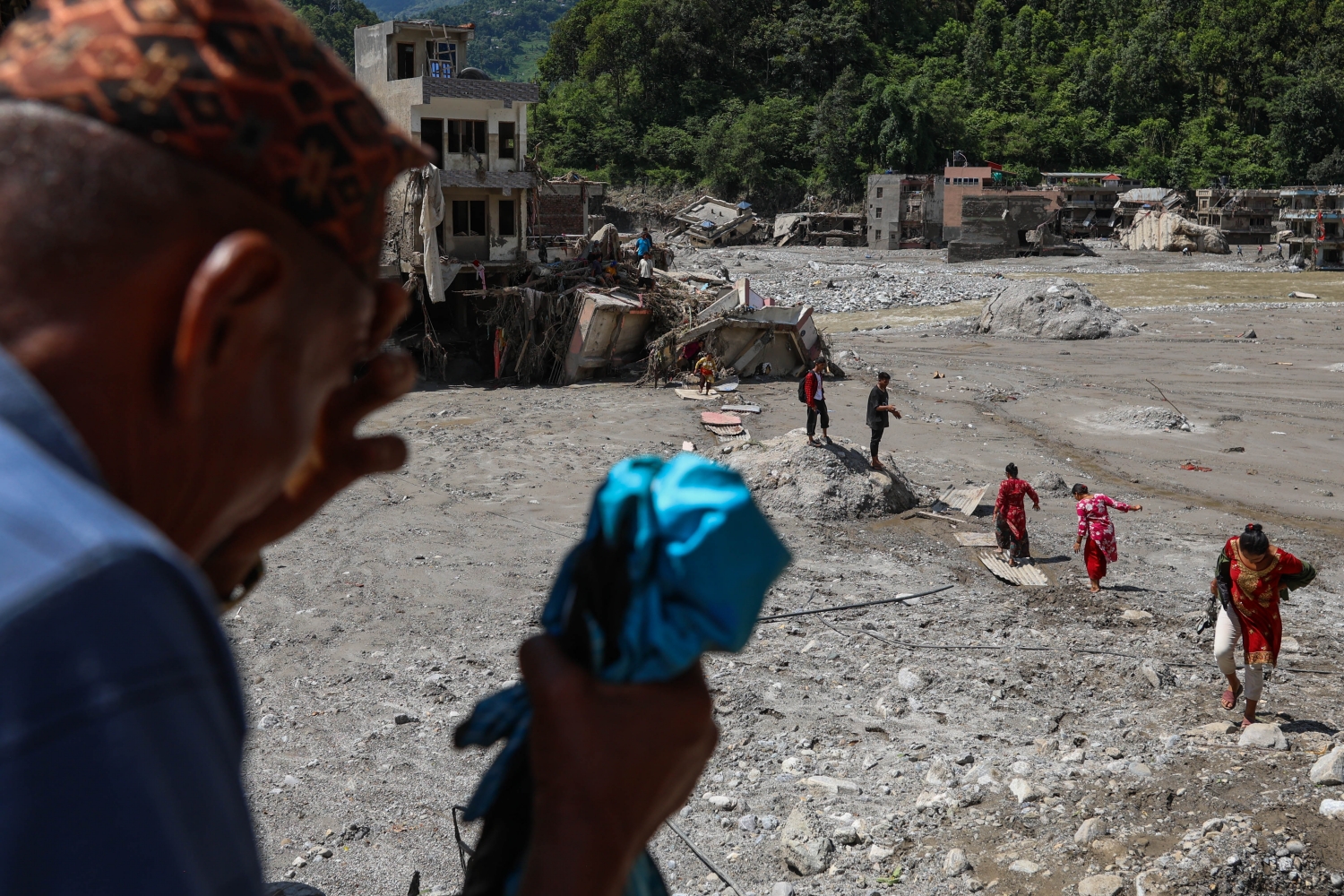
The destruction of entire villages, road-bridge networks and economic hubs raises major reconstruction challenges for Nepali communities and households. But families affected by the current disaster may find little point in rebuilding their homes if there are no nearby roads, schools or economic opportunities. For many farmers, the land that underpins their agricultural livelihoods has been washed away.
Nepal’s National Disaster Risk Reduction and Management Authority recently released a Rapid Disaster Needs Assessment (RDNA) highlighting many of the challenges facing disaster-affected Nepalis, including the approximately 33,000 who have lost their homes.
The RDNA rightly states that ‘household recovery … depends on the restoration of connected services and access’, which in turn requires viable terrain. Some households may find that upcoming technical assessments deem their land too hazardous to rebuild on. As in past disasters, ‘integrated settlements’ are being discussed to collectively resettle displaced communities.
But our research has shown that integrated settlements set up after the 2015 earthquake struggled most when livelihood needs and caste-ethnic relations among resettled communities weren’t prioritised.
Relocation away from hazards like landslides and floods may reduce exposure, but it does not address other forms of risk, including economic precarity and inequality.
Any approach to rebuilding will first require beneficiary identification: who is entitled to compensation or support, and on what basis? The RDNA acknowledges that ‘building ownership alone does not identify all households requiring assistance’ and notes the challenges with verification, especially when documents are permanently lost.







Comments
0 commentsNo comments yet — be the first.