

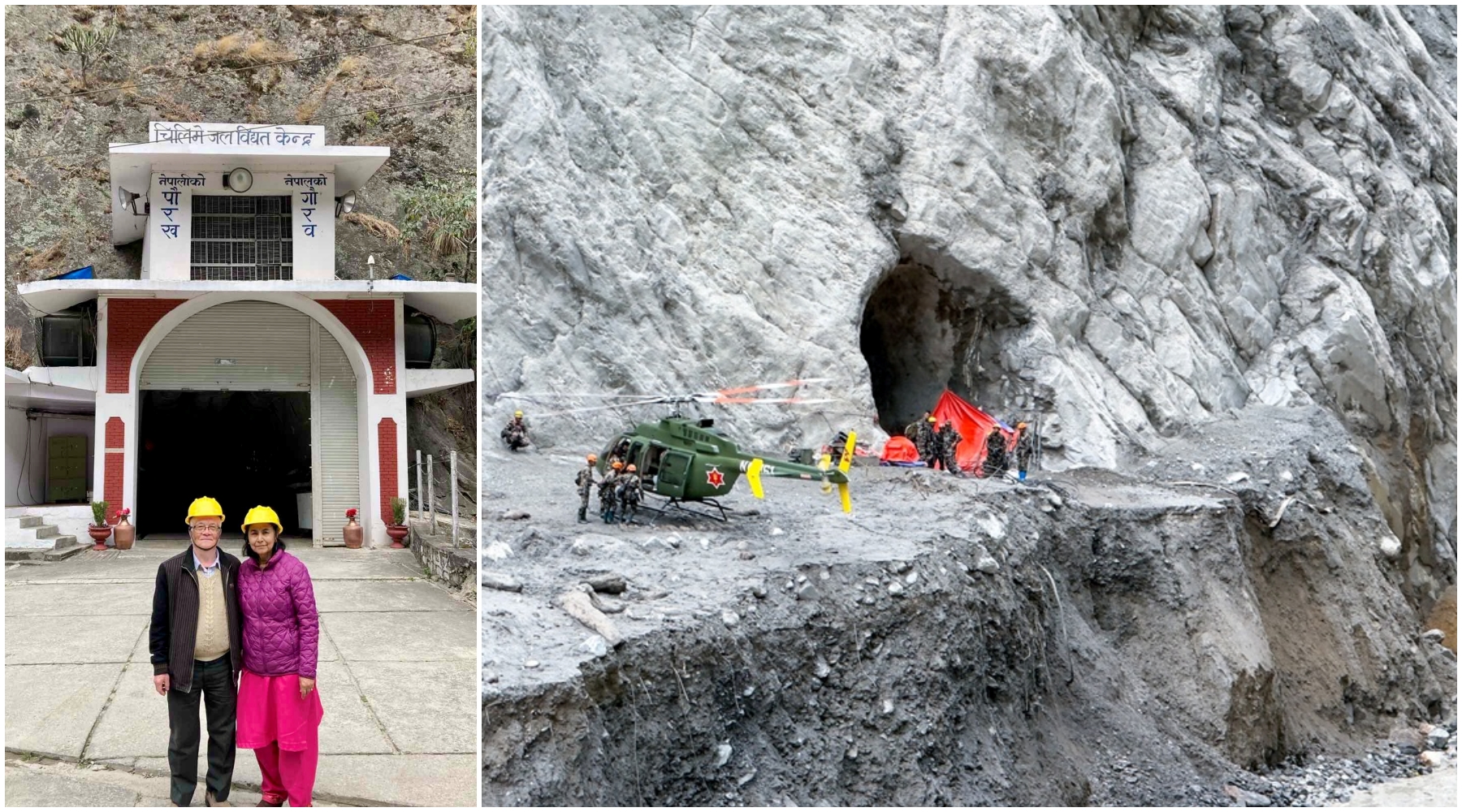
Some losses are difficult to explain because they cannot be measured by what was physically destroyed. This tragedy feels much more personal.
I lived in Nepal with my parents and brother for the first 16 years of my life before embarking on a global journey. During much of that time, there was one word that came up again and again at our dinner table: Chilime.
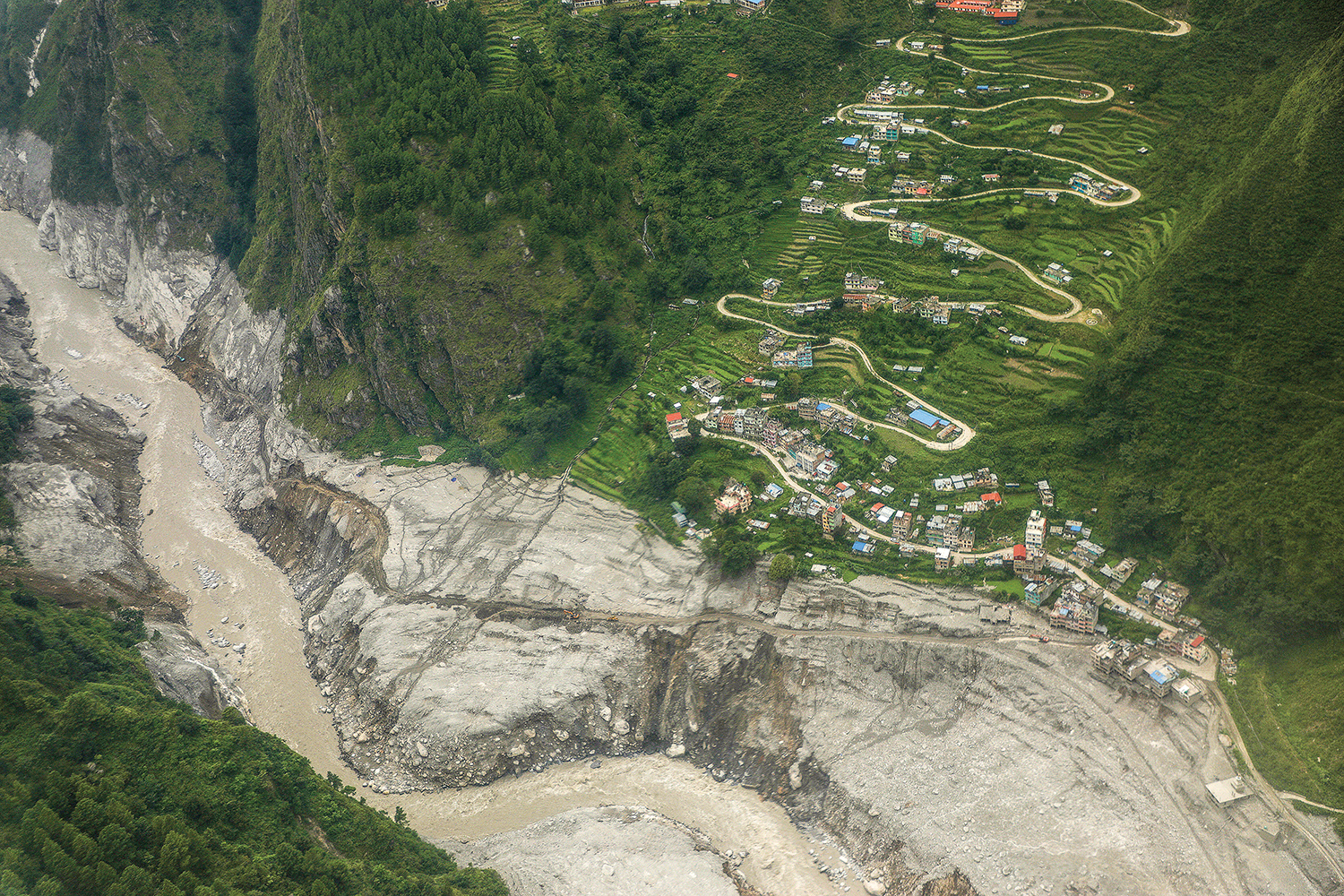
My father Damber Bahadur Nepali devoted a decade of his life to the Chilime hydropower project on the Bhote Kosi. He gave it the kind of time, care and attention a parent gives to a child, pouring his heart and soul into it.
At family dinners, we listened to him talk about an idea he was working through with his team, how a newly appointed minister had taken away one of the project’s two jeeps limiting the team’s ability to travel to the site, the landslides that came every monsoon and delayed construction, how he went from one government office to another to expedite work.
There were complaints to the CIAA, there were banks and investors to convince that a hydropower project designed and developed entirely by Nepalis could actually work without relying on the usual international loans and grants.
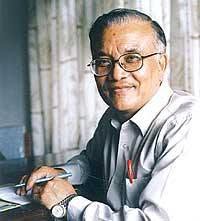
Photo credit: Nepali Times
But there were also many milestones we celebrated, like the excitement when construction moved forward at the headworks, tunnel and powerhouse, overcoming new hurdles at every turn. Or, the agreement that 10% of Chimile Hydropower Company Limited shares would be allocated for local communities to purchase. And finally, that day in 2003 when the project started feeding 22.1MW of electricity into Nepal’s national grid.
One Indra Jatra when I was ten, we were out watching the Kumari chariots being pulled through the streets of Kathmandu. My father was not really interested in the procession. He sat in a corner, scribbling away in a tiny notebook, the kind he always carries in his shirt pocket with a pen. He still does this despite now having a smartphone.
He showed me some calculations and began explaining how Nepal Electricity Authority (NEA) employees at various levels could invest in Chilime shares. He was worried that, without upfront capital, many employees might not be able to purchase as many shares as they could otherwise afford over time.
He was trying to find a way for them to use their provident fund or salary savings to participate. It was a brilliant idea, and he negotiated with the Employees’ Provident Fund, the NEA, and others to make it happen.
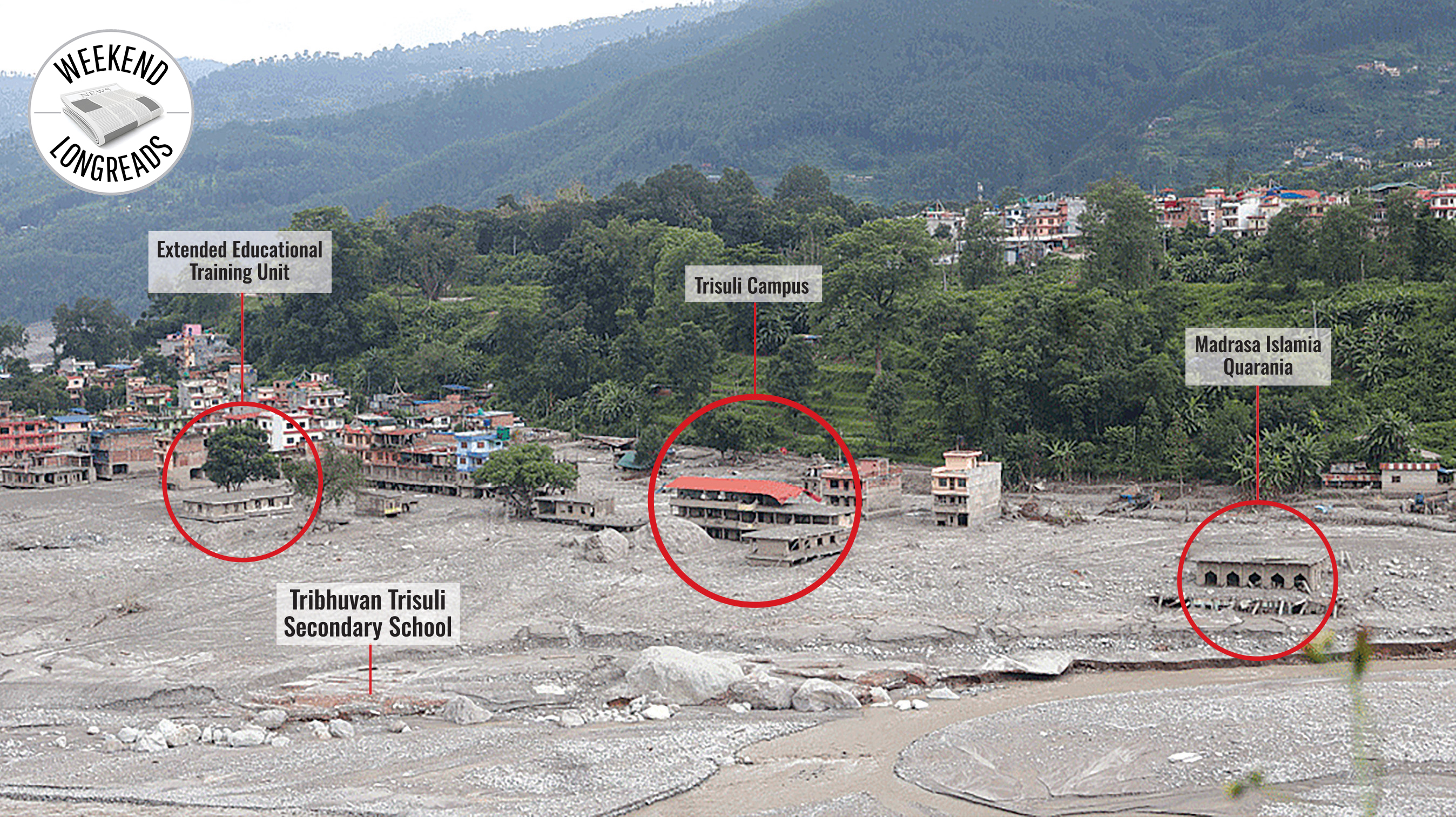
BURIED HOPE




Comments
0 commentsNo comments yet — be the first.