

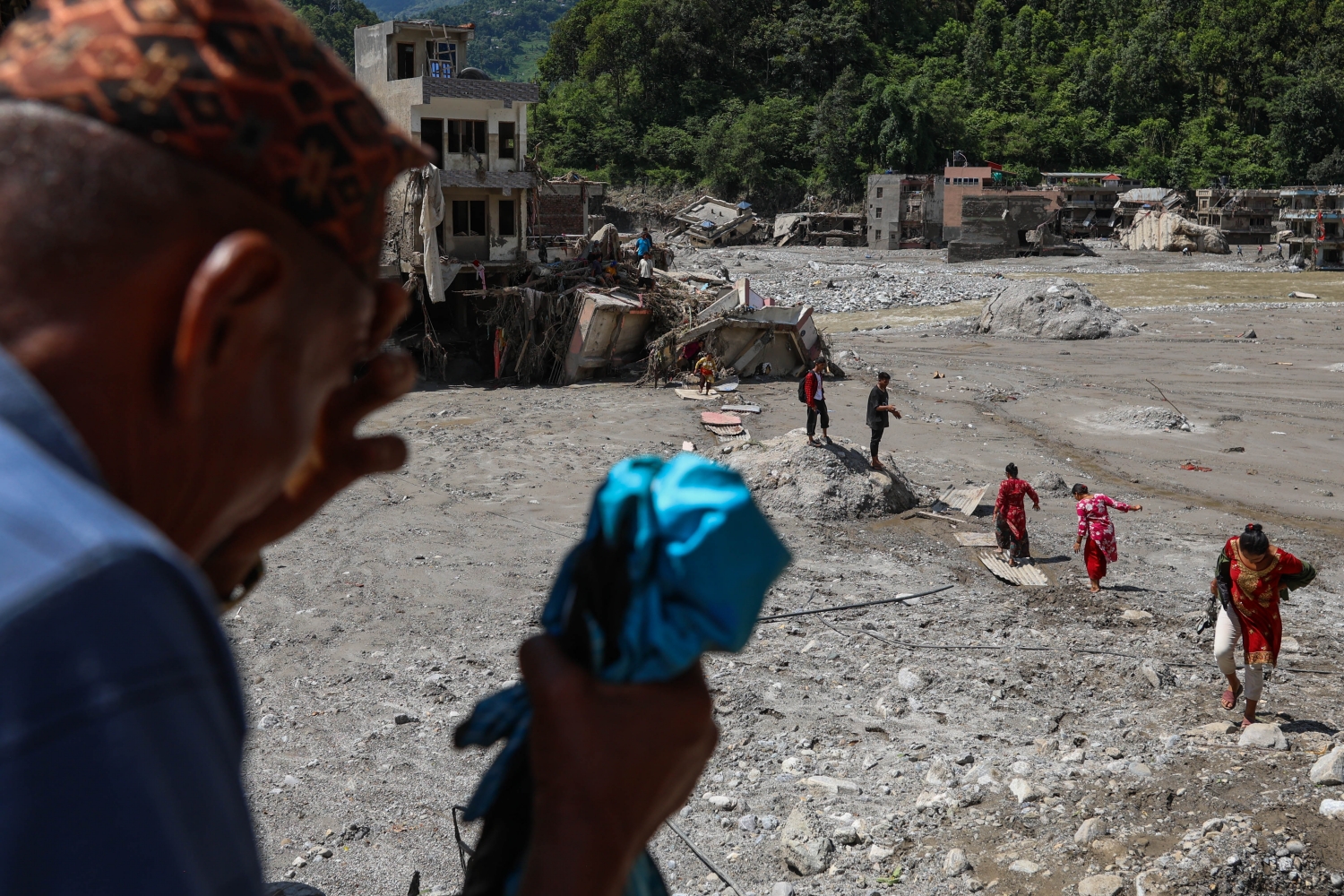
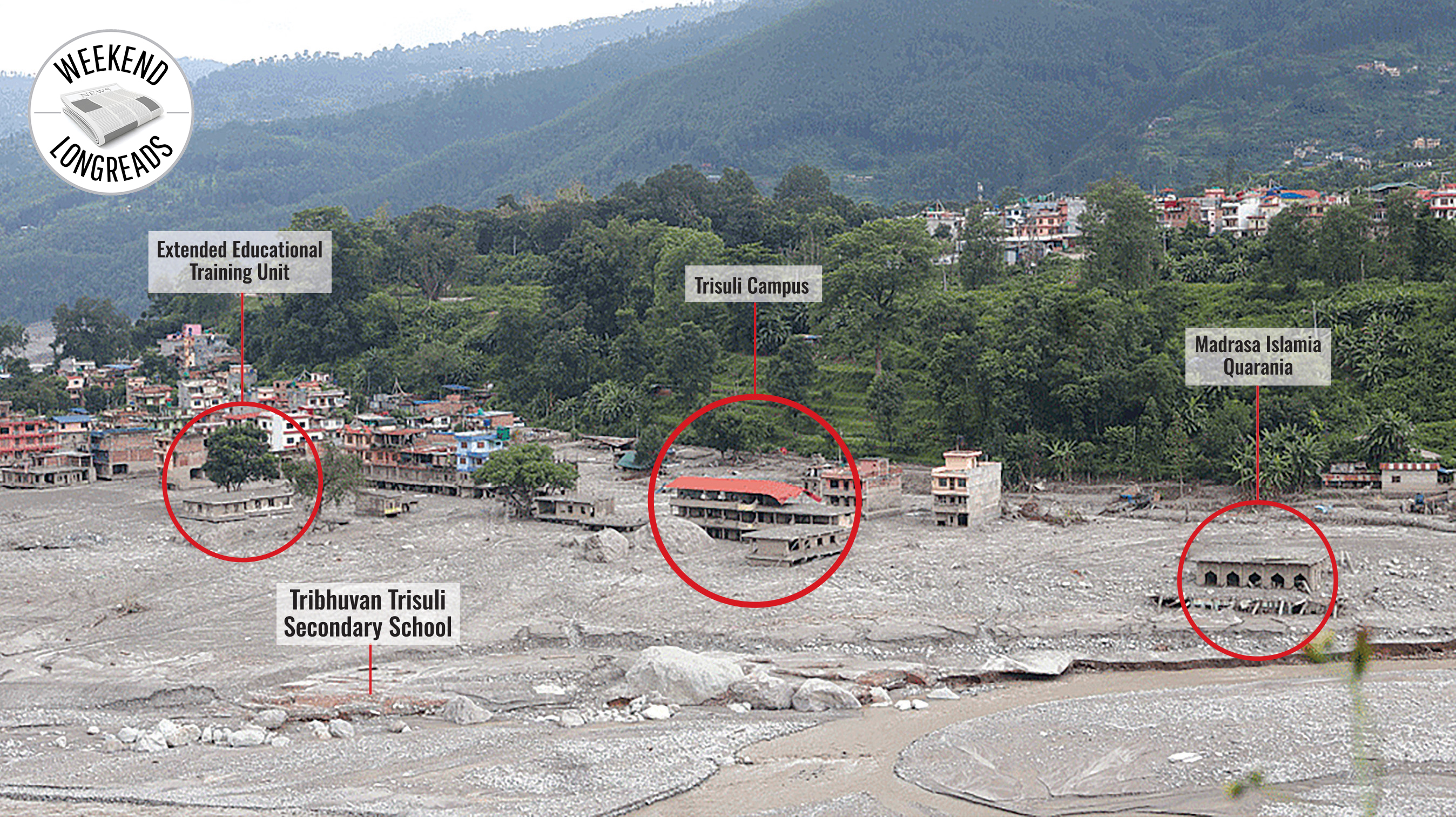
When the Climate summit (COP31) is held in Antalya, Türkiye on 9 November memories of the Bhote Kosi–Trisuli disaster will still be raw.
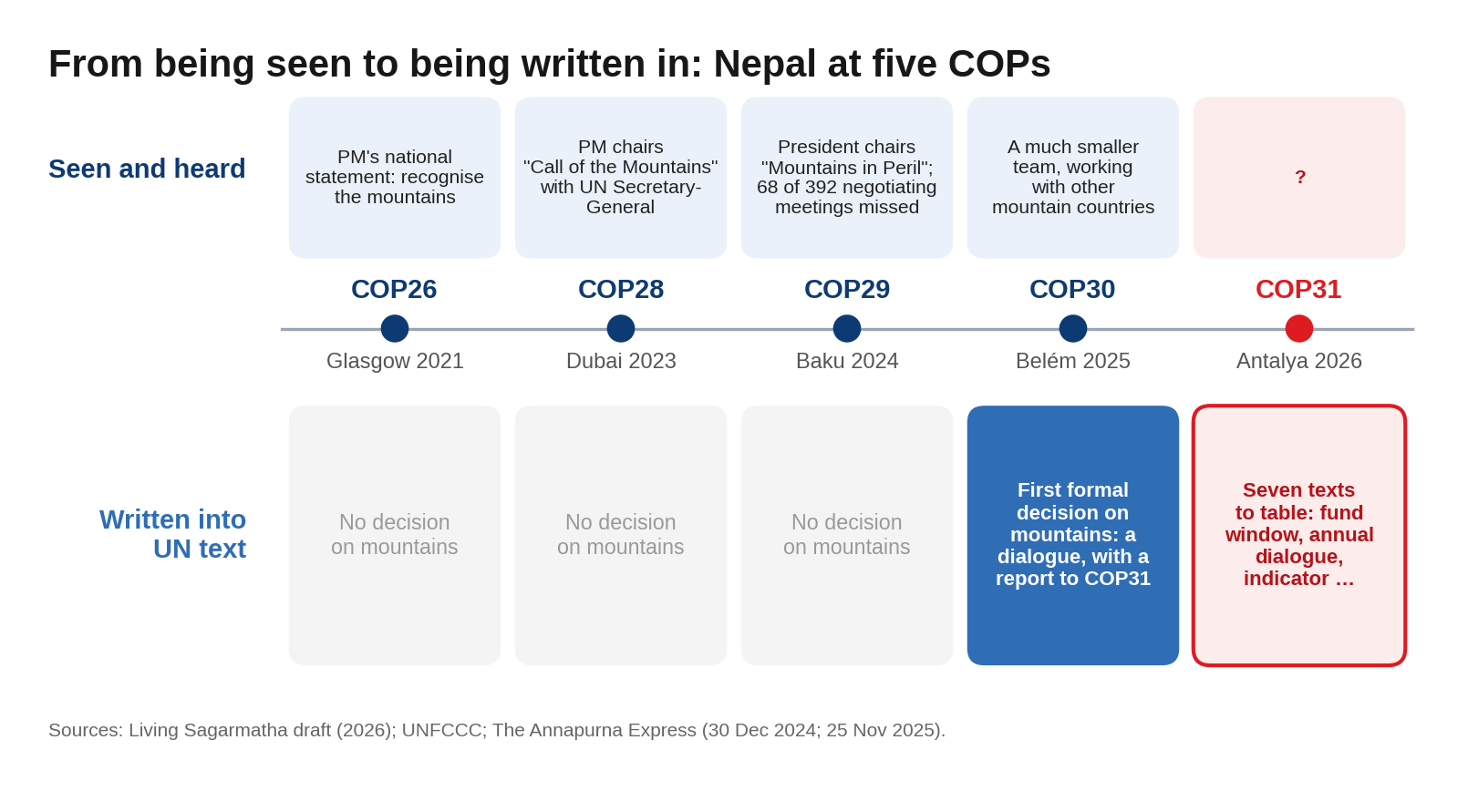
For a decade Nepal has gone to the climate negotiations to be seen and heard. In Glasgow, Dubai and Baku our prime ministers and president spoke for the world’s mountain countries, and chaired high-level events. Those moments built goodwill, but none of them put mountains into a decision of the 198 participating countries.
What Nepal lacked in Baku was not people, but the right people. Delegations numbered 50, yet by our delegates covered 324 of 392 negotiating meetings. Meetings went unattended for want of staffers, and officials admitted that our negotiating power was weak. The Secretary called for a permanent negotiating team.
Then came Belém. With a much smaller team, and working alongside other mountain countries, Nepal helped secure the first formal UNFCCC decision on mountains and climate change. Living Sagarmatha, the Ministry’s draft Nepal Mountain Resilience Strategy was ‘modest in scope’.
A COP is two events under one roof. The first is the one we see in photographs: speeches, and side events in the pavilions. The second happens in a set of rooms, each working on a single agenda item under two co-facilitators, where delegates go through draft text paragraph by paragraph andanything not yet agreed sits in square brackets.
Countries negotiate mostly in blocs, and Nepal does so through the Least Developed Countries (LDC) Group. Nothing important is written on the day. The paragraphs that end up in a decision were drafted, circulated and lobbied for months before, and the calendar is unforgiving.
Written proposals for this year’s guidance to the loss-and-damage fund were due on 17 August -- nine days before the Trisuli Valley flood, and the draft was settled in Sydney in late September. The LDC Group’s COP31 declaration, agreed in Dili on 3 September, does not mention mountains or sudden-onset disasters.
Nepal now has to get its own text to the Group’s Chair before the final coordination meetings on the eve of Antalya. So when people and money are short, as they always are, they should go to the rooms first. If all we want is to tell our story, a speaking slot at someone else’s pavilion does the job. There is no need to pour money and effort into hosting one.
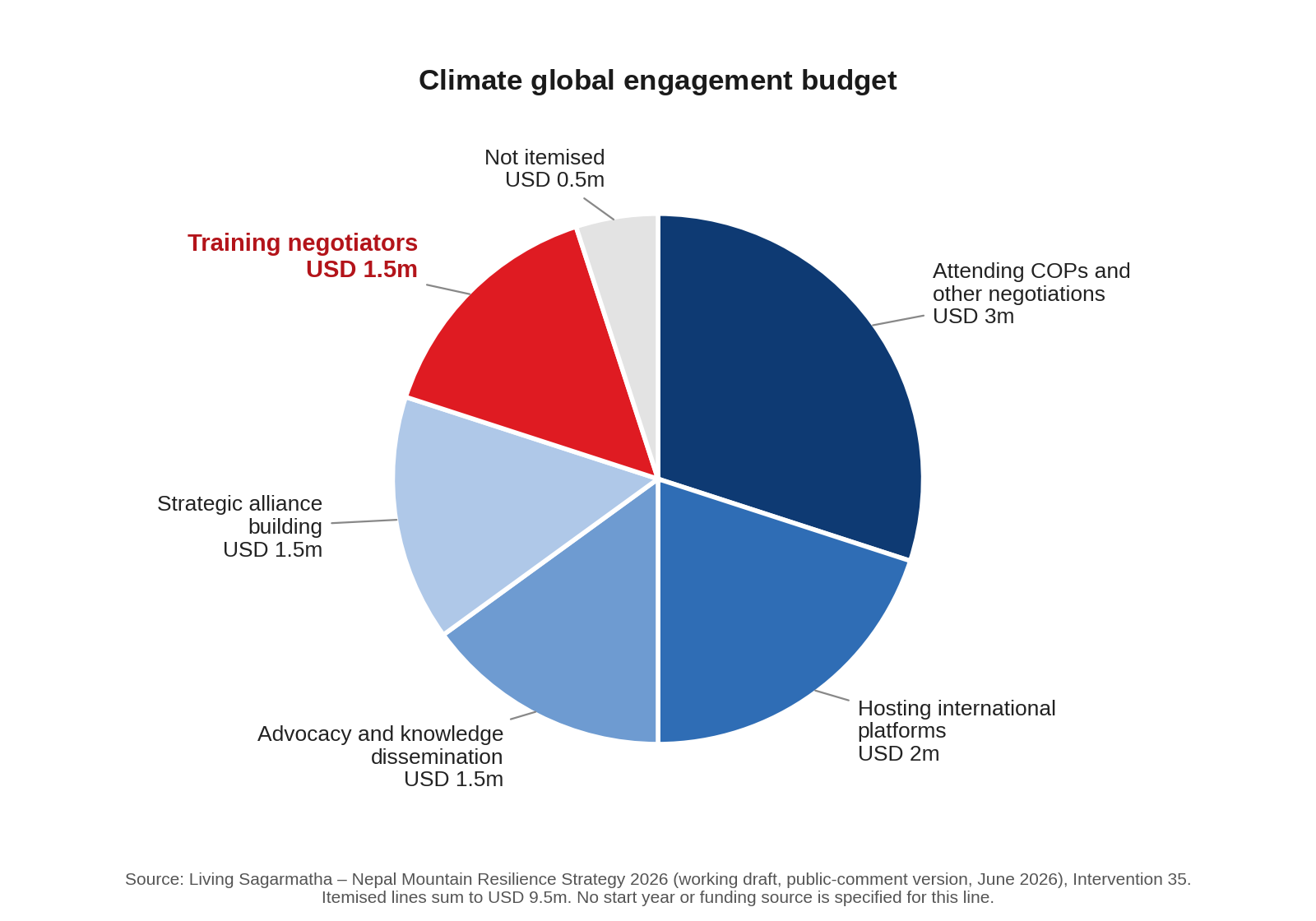
Living Sagarmatha leans the other way. Of the $10 million it proposes for global engagement, training negotiators would get $1.5 million: half the sum for attending meetings, which is largely travel, and less than the sum for hosting events. The strategy document names no start year for its seven-year horizon and no source for the money.
Nepal’s statement in Baku asked for ‘reparations for loss and damage’, and for the ‘polluters pay and compensate’ principle. Two months after Baku, the United States announced that it would leave the Paris Agreement for the second time, and the withdrawal took effect in January this year.
In Nepal we have a new Parliament, a new government, and a generation with little patience for speeches. The lesson is not that our leaders were wrong to speak of justice. It is that justice arrives through mechanisms, and mechanisms are won in text.
TWO CASES
In 2022 floods left a third of Pakistan under water. Within three months Pakistan had done what vulnerable countries had failed to do for three decades: it put loss and damage on the COP27 agenda and won the decision to create a fund. It could do so because it chaired the G77 and China that year, which gave it a hand on the agenda.





Comments
0 commentsNo comments yet — be the first.