
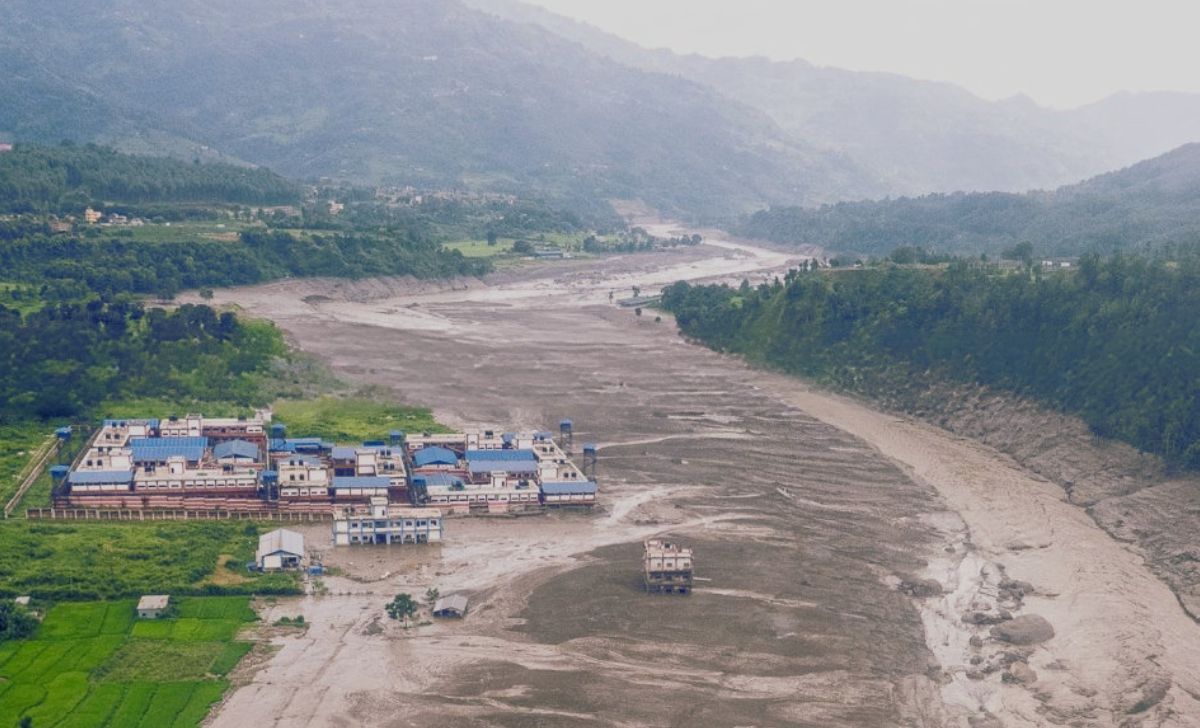
A devastating flash flood that tore through Nepal’s northern Rasuwa district on Wednesday has left a trail of destruction along the Bhote Koshi River, sweeping away homes, roads, bridges, vehicles and critical infrastructure near the Nepal-China border.
The disaster, which began in the mountainous border region and rapidly moved downstream, has become one of Nepal’s most serious flood emergencies of 2026. Rescue teams are still searching for missing people as communications and road links remain severely disrupted in several of the worst-hit areas.
The scale of the disaster has continued to emerge throughout the day. The latest reporting indicates that 95 bodies have been recovered in Nepal, while hundreds of people remain unaccounted for. Nepal’s authorities have also reported hundreds of missing travellers, including foreign nationals who were in the region for tourism and pilgrimage.
What happened in Rasuwa?
The flooding struck the Bhote Koshi river system in Rasuwa on the morning of August 26, sending an enormous surge of muddy water and debris through settlements including Timure, Rasuwagadhi and Syapru Besi.
The initial flood entered Nepal from the Tibet side of the border. The force of the water was strong enough to destroy sections of the road network, carry away bridges and vehicles and damage government buildings, businesses and hydropower facilities.
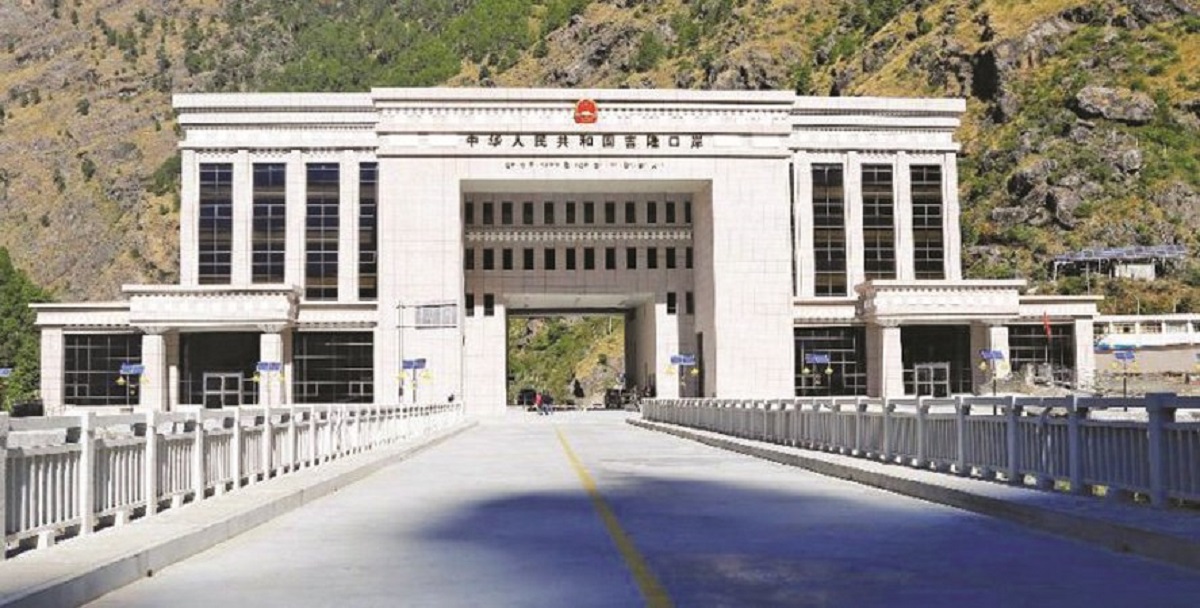
Timure, an important settlement near the Rasuwagadhi border crossing, was among the worst-hit locations. The flood also damaged the Rasuwagadhi customs area and other facilities supporting Nepal-China trade.
Local reports indicate that roughly 107 houses in the Timure market area and another 50 houses in Ghatte Khola suffered complete destruction. The flood also damaged the municipality building, police facilities, customs infrastructure, dry port and nearby hydropower installations.
The destruction did not stop at the border. Floodwaters travelled down the Bhote Koshi and into the Trishuli River system, placing communities farther downstream in Rasuwa, Nuwakot and Dhading at risk.
Authorities subsequently issued warnings to communities along the Trishuli and other downstream rivers.
95 bodies recovered, but the final toll could rise
The human toll remains difficult to establish because several affected areas were cut off and communications were lost.
Reuters reported on Wednesday that Nepalese rescue teams had recovered 95 bodies. Hundreds of people were still missing, including foreign travellers.
Earlier in the day, Nepal-based authorities were reporting much smaller casualty numbers because rescue teams had not yet been able to reach all affected locations. For example, an earlier government-linked update reported eight deaths while search operations were still underway.
The rapidly changing numbers underline the difficulty of obtaining a complete casualty count while roads, bridges and communications infrastructure remain damaged.
Officials have warned that the death toll could increase as rescuers gain access to areas that were initially unreachable.
Hundreds of travellers reported missing
The disaster has also affected people travelling through the Nepal-China border region.
Nepal’s tourism authorities reported hundreds of missing travellers, including foreign nationals. Reuters reported that at least 341 foreign travellers were missing, including more than 100 Indians, three US citizens and 12 British nationals.
Other reports have placed the overall number of missing travellers at 384, although authorities continue to verify names, nationalities and whether some people have already reached safety.
Many of those travelling in the region were connected to tourism and pilgrimage routes toward Tibet, including people travelling toward Mount Kailash.
The uncertainty is partly caused by the loss of communication in the border area. Authorities are continuing to cross-check missing-person reports with people who have been rescued or who managed to move to safer locations.
Security personnel and customs workers are among those missing
The flood has also struck government and security facilities in the border area.
According to the latest government update reported by Nepal News, 41 security personnel remained out of contact, including 32 Nepal Police personnel and nine members of the Armed Police Force.
The Rasuwa Customs Office has also been heavily affected.
Of its 36 permanent employees, 25 had established contact while 11 remained unaccounted for. One of four contract and daily-wage workers had also made contact, leaving three still unaccounted for.
Search teams are continuing to look for those who remain missing.




Comments
0 commentsNo comments yet — be the first.