

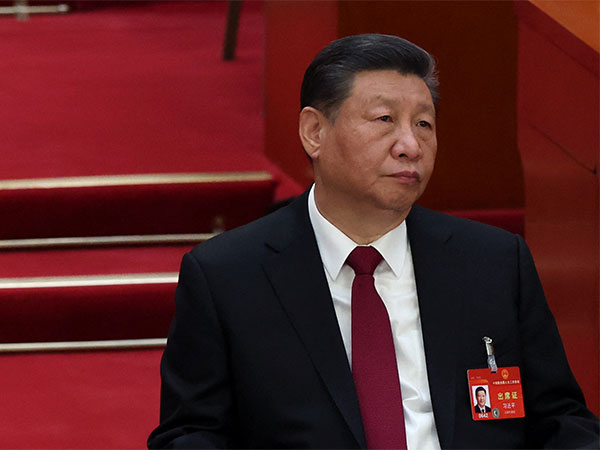
China’s anti-corruption campaign has become one of the defining features of Xi Jinping’s rule. What began in 2012 as a drive against the “tigers and flies” of the Communist Party has developed into a permanent system of political and administrative discipline. Its scale is difficult to ignore.
In 2025, Chinese disciplinary authorities opened 1.012 million cases and punished 983,000 people. Among those investigated were 115 officials at the provincial or ministerial level and more than 5,000 at the bureau level. Another 68,600 people from enterprises, rural organizations and other non-governmental entities were disciplined.
The numbers demonstrate the reach of the campaign, but they do not by themselves establish its economic effect. There is considerable evidence that the crackdown has reduced rent-seeking and weakened the value of political connections. One study of Chinese firms found that the campaign increased total factor productivity by 1.7 percent, while other research found that the market value of politically connected firms fell by 7.5 percent during the first two years of the campaign. The latter suggests that much of the economic advantage previously generated through political connections had disappeared.
The economic cost of anti-corruption does not necessarily come from punishing corruption. It comes when the fear of investigation begins to influence legitimate economic decisions. As enforcement has expanded beyond bribery and embezzlement into political discipline, corporate governance and official conduct, the distinction between preventing corruption and encouraging excessive caution has become increasingly important.
The problem of bureaucratic caution
The first cost appears within the bureaucracy itself. Chinese officials have traditionally operated in a system where promotion is closely connected to economic performance, local investment and the implementation of central policy. Anti-corruption enforcement changes that calculation. When the consequences of a policy mistake can include disciplinary scrutiny, while the political reward for taking an unconventional risk is uncertain, officials have an incentive to choose the safer option.
A study of Chinese cities found that anti-corruption investigations could reduce the effort local officials devoted to economic activity. The effect was particularly visible where administrative reforms had not reduced officials’ dependence on discretionary approvals. At the same time, the research found improvements in some welfare indicators, including environmental outcomes.
An official approving a major infrastructure project, restructuring a state-owned enterprise or supporting a struggling company may have legitimate reasons for doing so. But if that decision later fails, it can be examined retrospectively through the lens of misconduct. In such an environment, postponing a decision may become less costly than making one.







Comments
0 commentsNo comments yet — be the first.