

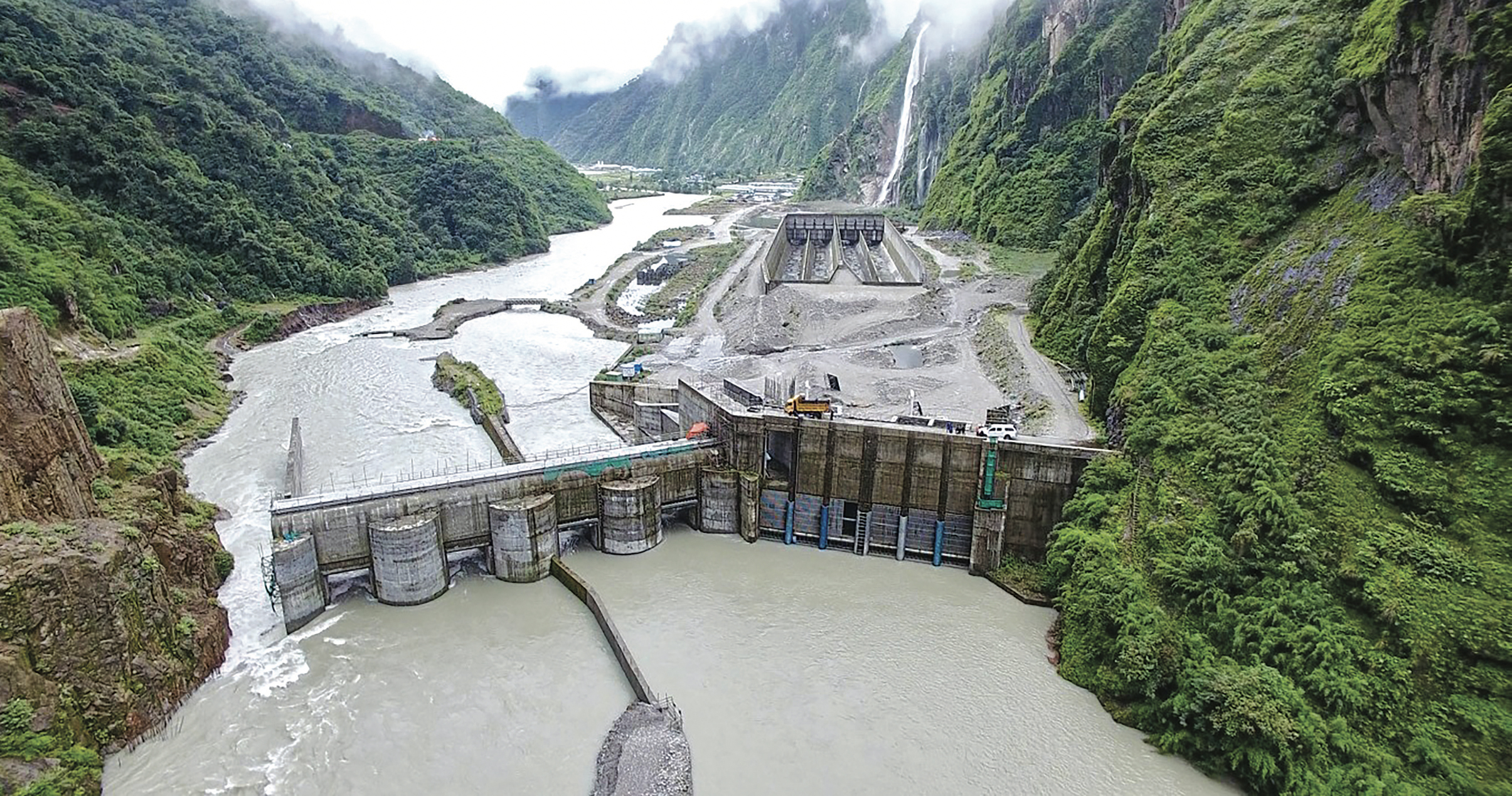
The catastrophic flood of 26 August put Nepal’s dependence on hydropower under scrutiny, with some suggesting a fundamental rethink. There should certainly be an evaluation, but the disaster is unlikely to bring hydropower development to a halt.
Construction will continue but at a slower pace and under a more demanding technical, regulatory, and financial conditions.
Hydroelectricity has become too important a part of Nepal’s economy to simply stop. Some 260 hydropower projects are currently under construction, and another 360 are in various stages of feasibility assessment, design, financing, or licensing.
Tens of thousands of Nepalis depend on the sector. Cement and steel factories, steel pipe and gate fabricators, suppliers, engineering firms, transporters, consultancies, environmental specialists, insurance companies, banks, and retirement funds all have a stake in the continued construction of hydropower projects.
A sudden halt would have economic consequences extending far beyond the power sector itself.
Nepal has spent the past 25 years building a domestic base of hydropower expertise with engineers, hydrologists, geologists, project developers, environmental specialists, tunneling experts, and construction contractors capable of adapting designs to emerging risks.
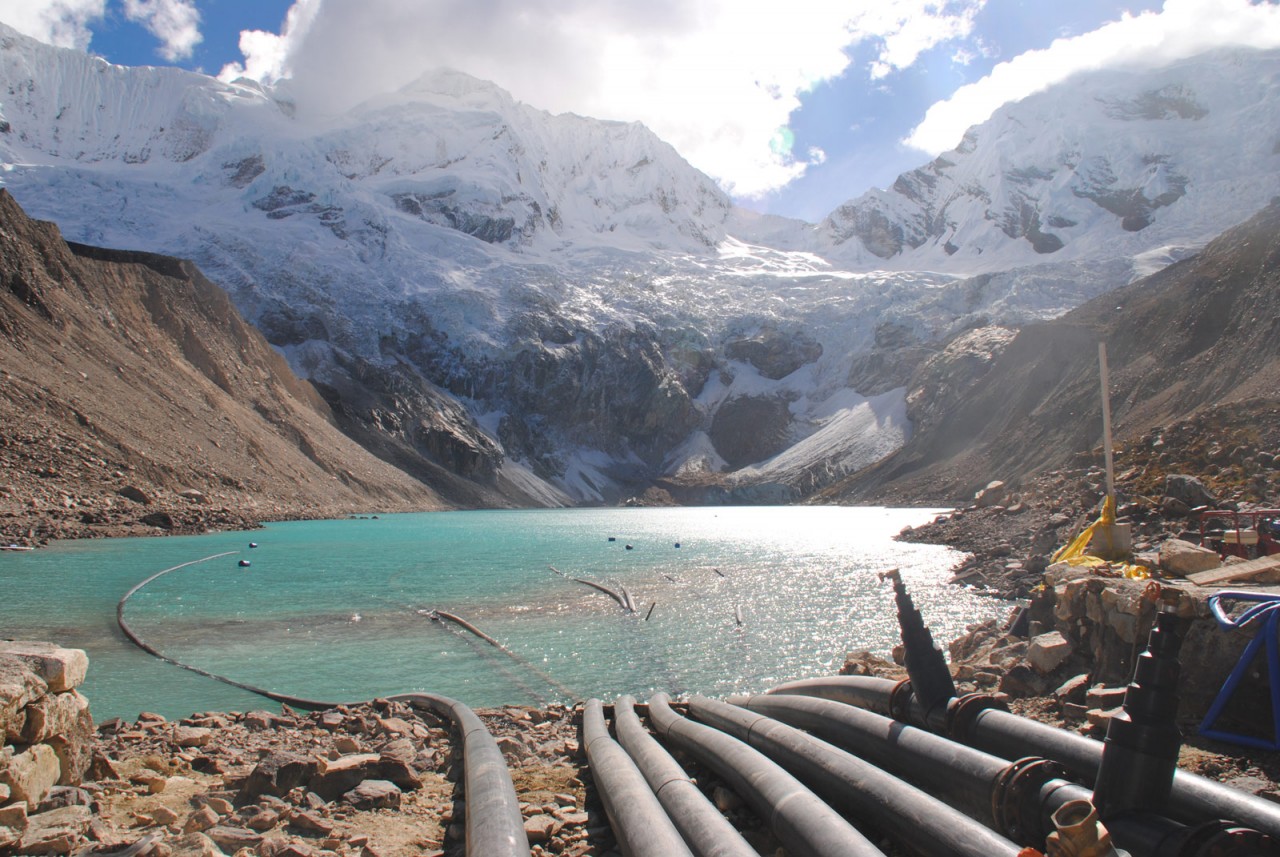
Nepali engineers are not starting from scratch. They have long been required to account for hazards such as GLOFs and landslide dammed flash floods. The latest disaster has introduced a third even more deadly category of extreme mountain hazard: floods caused by the collapse of glaciated slopes.
Better data, more rigorous studies and risk assessment, increased monitoring and reliable early warning, safer siting criteria for intake structures and power plants, improved planning for emergencies, and stronger protective infrastructure can reduce risk from all these threats.
These changes will increase costs and development timelines, but the most attractive projects will proceed. Expanded climate-risk assessment, hydro-meteorological modeling, more stringent engineering standards, and rising insurance premiums will all raise investment costs.
Many marginal projects in the pipeline may no longer prove financially viable. Yet, Nepal still possesses an enormous portfolio of attractive hydropower sites. Projects with strong resource characteristics, ready access, manageable risks, and favourable economics will continue to attract developers and financiers.
The hydropower sector has expanded at extraordinary speed over the past decade, with annual additions often exceeding 20% of installed generation capacity.






Comments
0 commentsNo comments yet — be the first.