

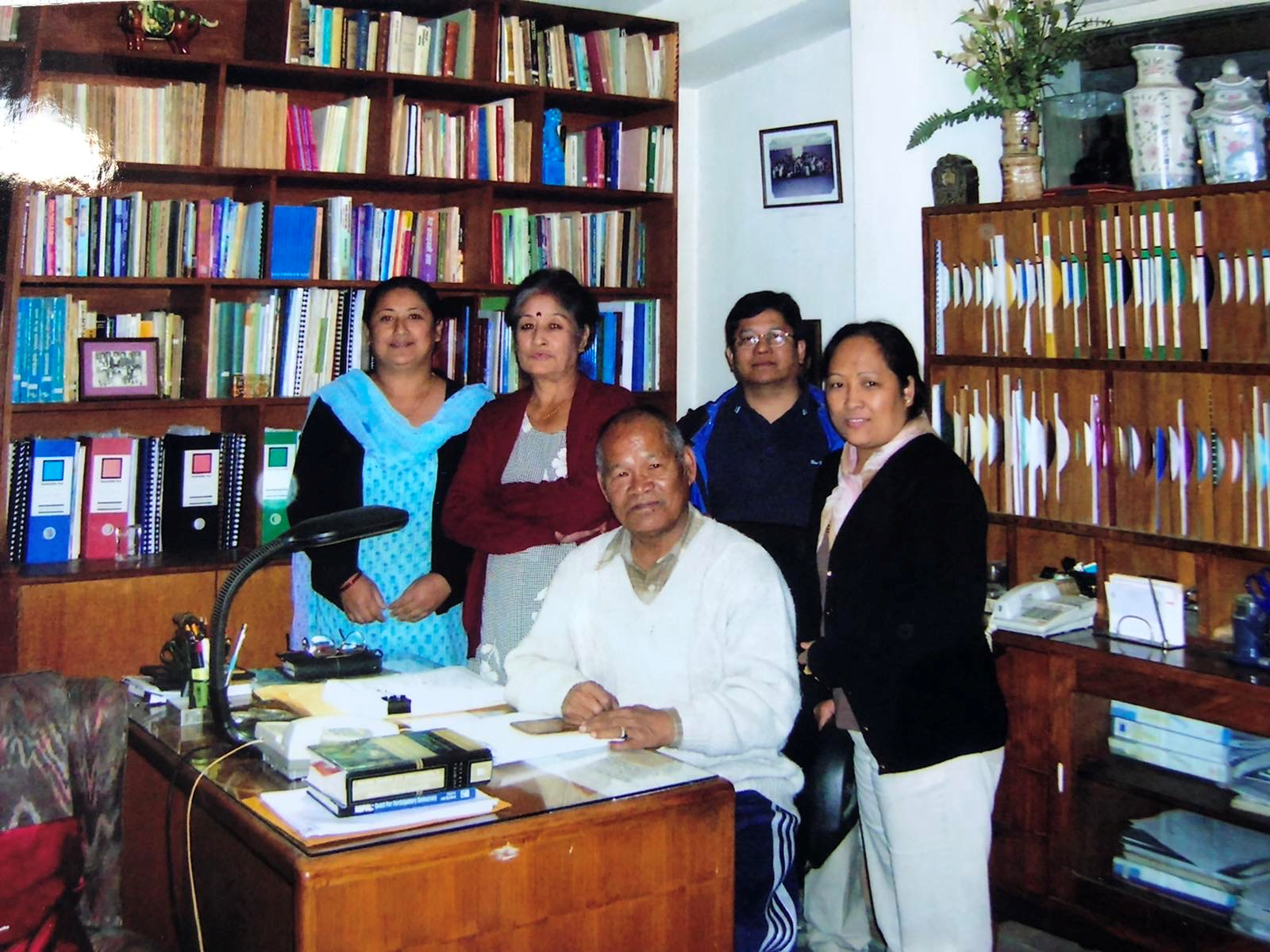
Harka Gurung, Nepal’s pioneer geographer, conservationist and government minister would have been 87 this month, marking the 20th anniversary of his death in the Ghunsa helicopter crash.
On 23 September 2006, Nepal suffered the devastating loss of its top environmentalists when the helicopter collided into a mountain in bad weather just after taking off following the inauguration of the handover of the Kangchenjunga Conservation Area to the local community.
Along with Harka Gurung, Mingma Norbu Sherpa, Chandra Gurung, Tirtha Man Maskey, as well as representatives of the World Wildlife Fund, USAID were among the 24 killed in the tragedy.
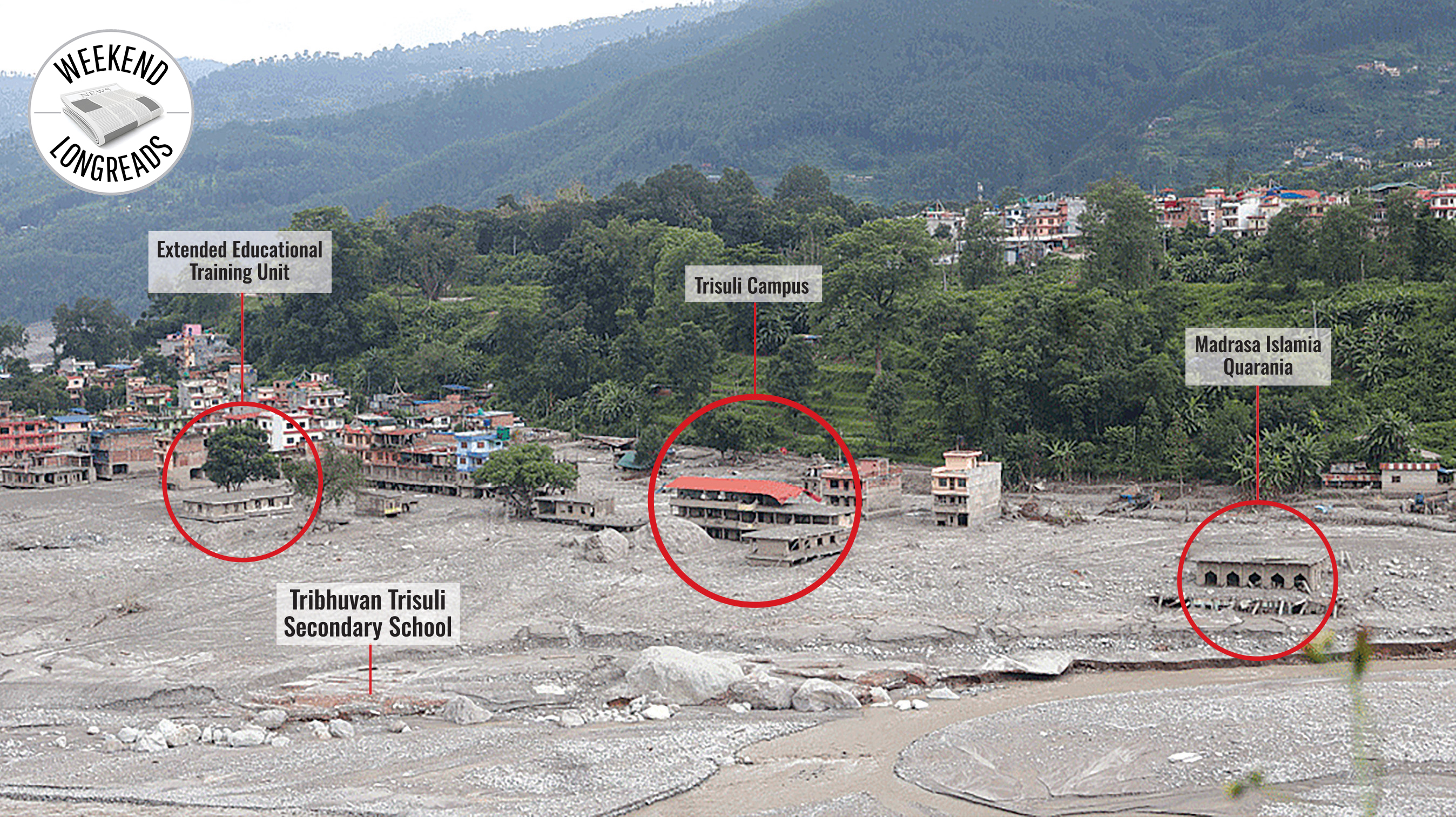
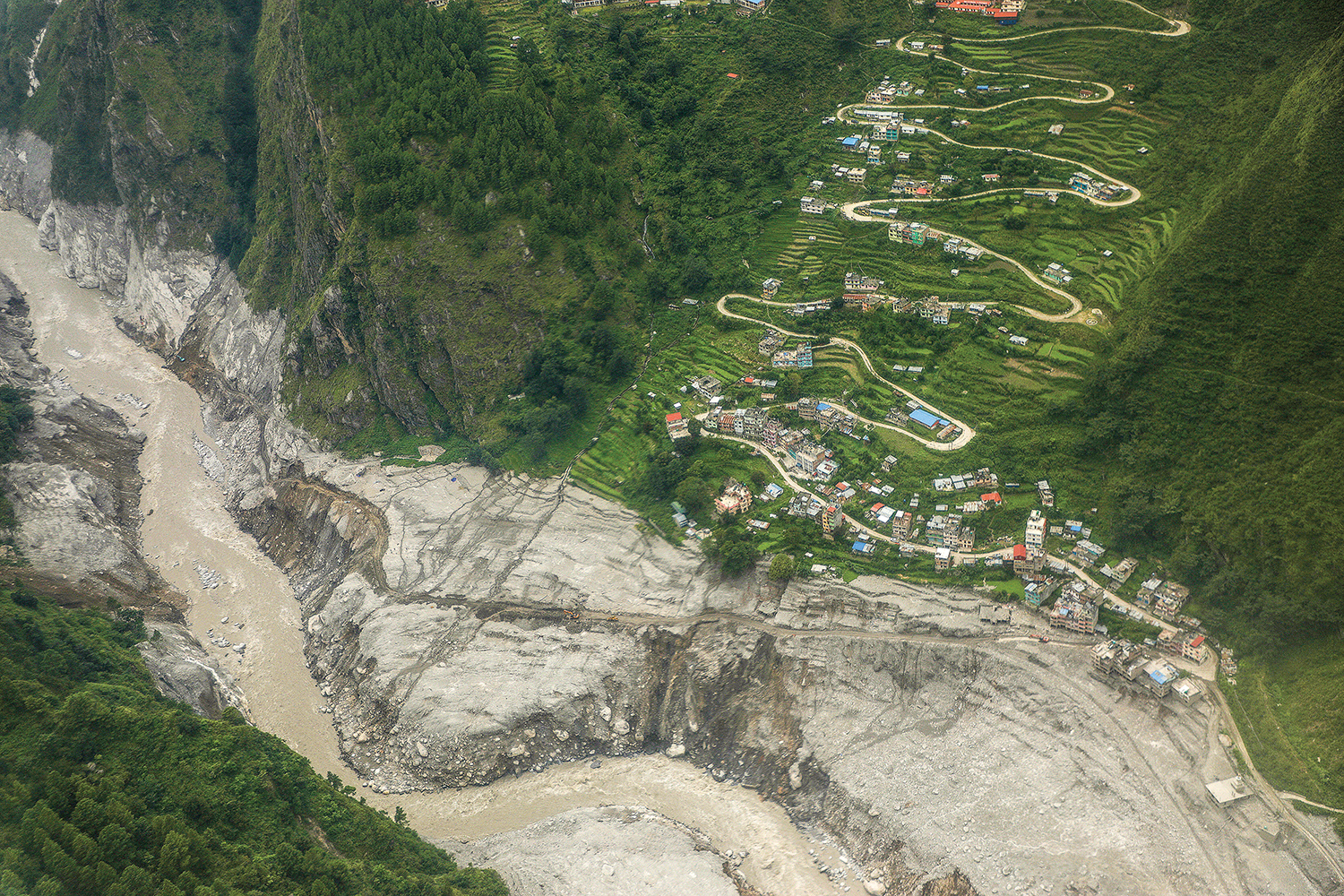
In the aftermath of the Bhote Kosi-Trisuli disaster, many have been asking what Harka Gurung’s advice may have been to prevent such a devastating loss of lives and assets. From the numerous books he has written about Nepal, we can hear his gruff voice telling us in his usual direct manner: “Know your geography before you plan anything.”
Indeed, as the search and rescue team turn their attention to retrieval of bodies and assessment of the damage to roads, bridges, and hydropower plants, it is clear that poor preparedness, lack of implementation of zoning laws and haphazard growth along the floodplain were the reasons for the great cost in human life and infrastructure.
Nepal’s most distinguished geographer, development thinker, conservationist and public intellectuals would have had a word or two to say about how if this disaster had happened in Dolpo, it would have been called a ‘natural disaster’.
Two decades after Gurung’s death, the shock of that tragedy has faded with time, but the significance of his life and work has not. Indeed, Nepal today needs the kind of intellectual courage, public commitment and interdisciplinary vision that he represented more than ever.
Harka Gurung was a rare combination of scholar, policymaker, administrator, writer, mountaineer, conservationist and sportsman. His intellectual interests ranged across geography, demography, development planning, sociology, environment, tourism and the social and cultural dimensions of Nepal. The American Association of Geographers described him as ‘a prominent conservation expert and a leading authority on the Himalaya’.
His academic journey reflects the breath of his knowledge. After early education in Nepal and India, he pursued higher studies in geography and earned his PhD from the University of Edinburgh in 1965. His then taught at SOAS, University of London, Tribhuvan University and research and conducted many research projects.
But Gurung’s wisdom was not just theoretical, it came from his wide experience in fieldwork and travels across Nepal. After the Swiss development expert Toni Hagen, Harka Gurung was perhaps the most widely travelled in Nepal at a time when the country had few roads.
Gurung was never content to remain within the confines of academia. He believed that knowledge had to serve society and inform public policy. That conviction brought him into the heart of Nepal’s development-planning process. He served as a member of the National Planning Commission (NPC) and became its Vice-Chairman.
This job coincided with a formative period in Nepal’s efforts to understand and address the country’s extraordinary geographical and socio-economic diversity. A surviving NPC document from 1975, bears his name and has themes and priorities that are more valid than ever, and would possibly have prevented Nepal from making the same mistakes over and over in the past half-century.







Comments
0 commentsNo comments yet — be the first.