

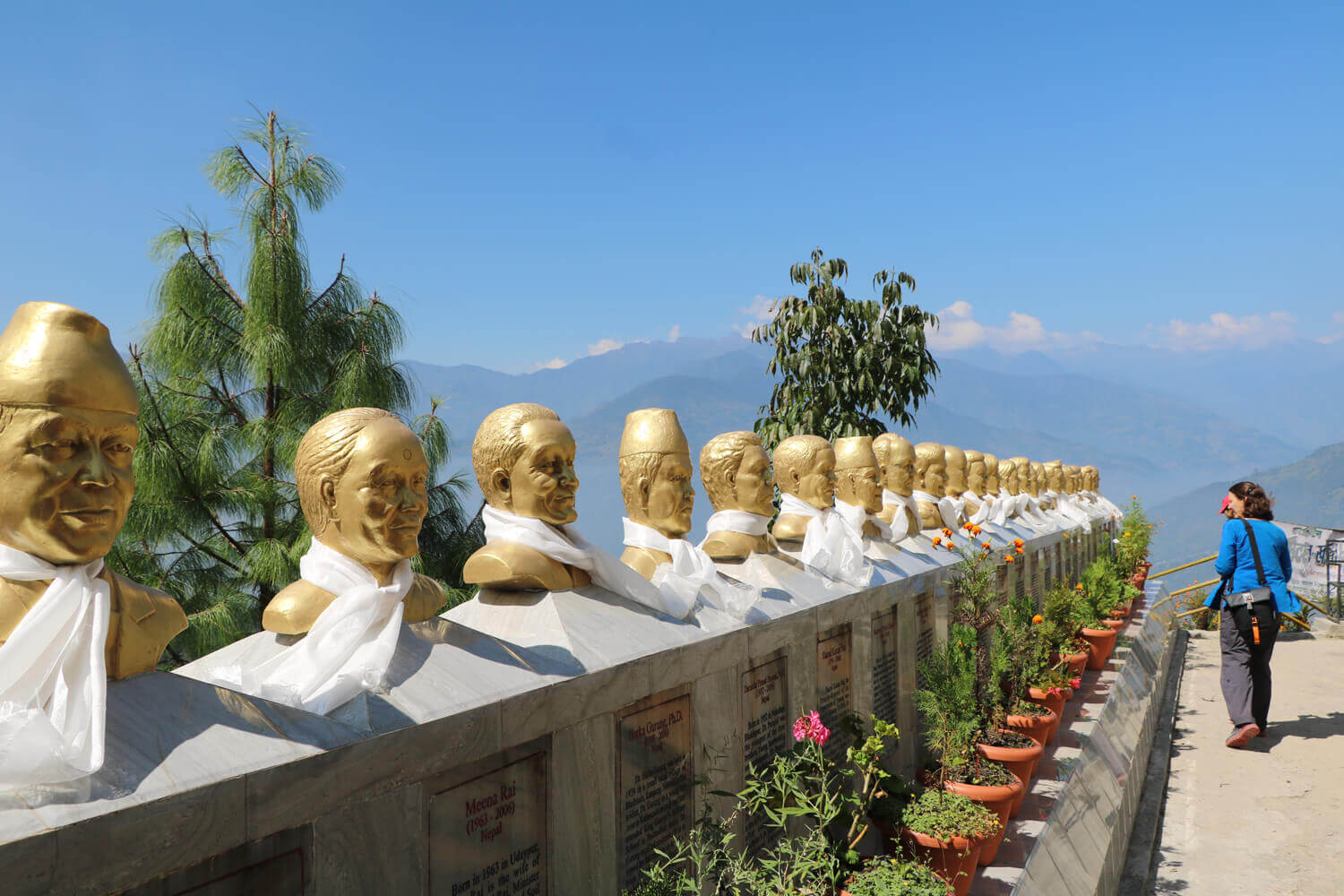
On 23 September 2006, a helicopter carrying many of Nepal’s foremost conservationists, along with diplomats, politicians, journalists and crew crashed in Ghunsa of Taplejung district.
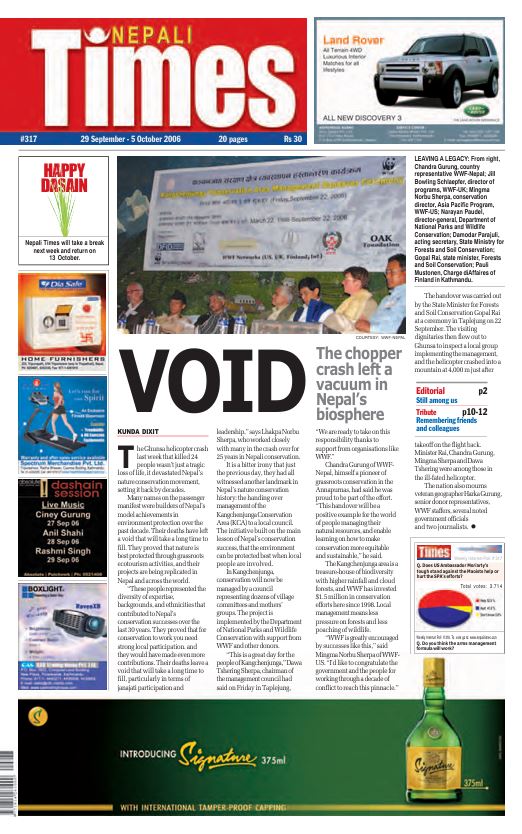
None of the 24 on board survived when the aircraft hit a mountain during a monsoon storm. The 29 September 2006 edition of this newspaper carried a front page tribute with only one word: VOID.
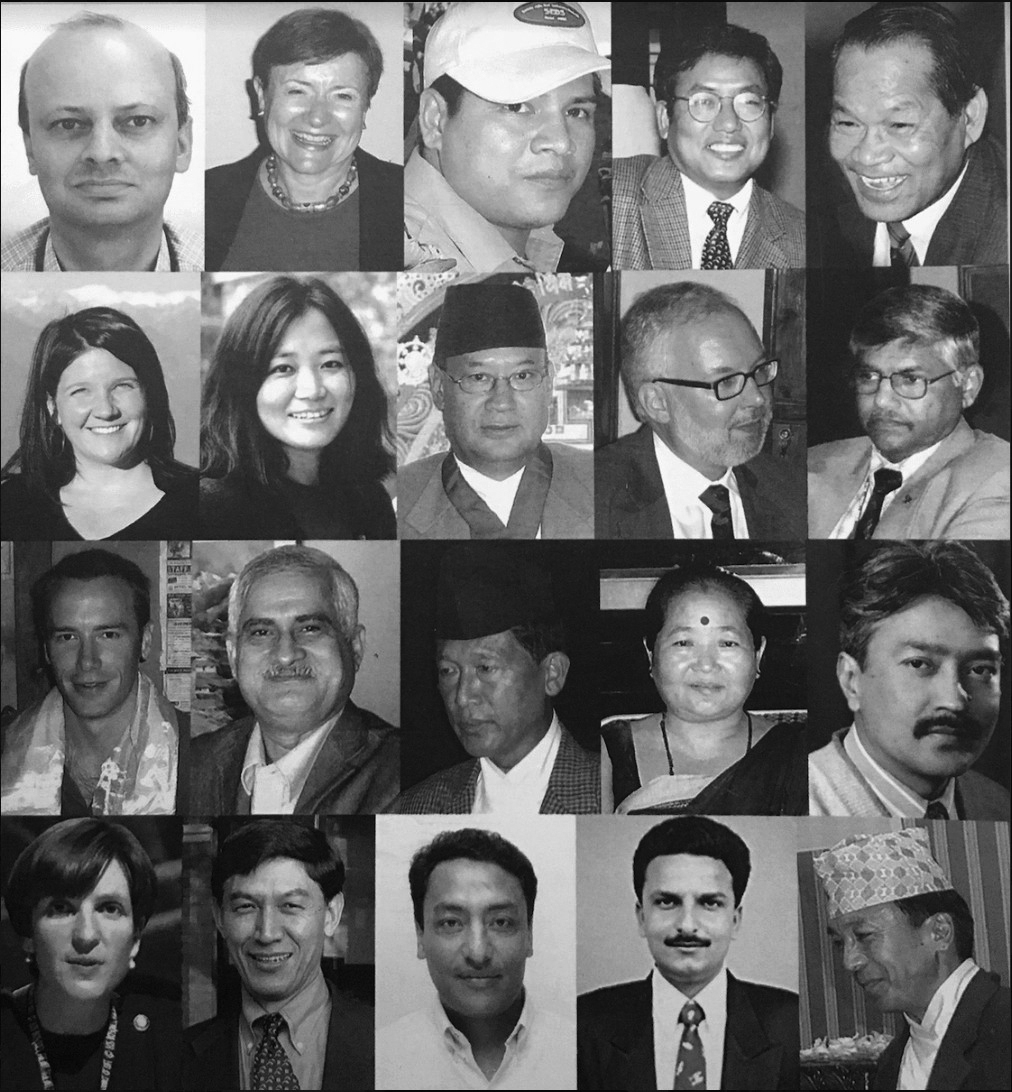
Among those on board were WWF Nepal’s Chandra Prasad Gurung who helped design the concept of ‘conservation areas’ instead of ‘national parks’ in Nepal.
Mingma Norbu Sherpa headed the WWF’s Eastern Himalayas Program based in Bhutan, a Nepali who had won international recognition for empowering communities to own nature conservation initiatives.
Harka Gurung was Nepal’s veteran geographer, author and as the foremost authority on the Himalaya advised many governments on ecotourism. He was also in charge of naming many of Nepal’s unnamed peaks.
Tirtha Man Maskey was four-time director general of the Department of National Parks and Wildlife Conservation and was widely credited with the early success in curbing poaching of tigers and rhinos at Chitwan National Park.
Among the other internationals on board were Pauli Mustonen the Charge d’Affaires of the Finland Embassy in Kathmandu, USAID Nepal deputy director Margaret Alexander, Jillian Bowling Schlaepfer and Jennifer Headley of WWF-UK.
The team had been returning after handing over the management of Kangchenjanga Conservation Area from the government to local communities the day before. The narrow valley at Ghunsa was covered in late monsoon clouds, and it was raining heavily.
Reports said the Russian pilots of the MI-8 helicopter were under pressure from officials who were in a hurry to get back to Kathmandu for a meeting. First reports said the helicopter was missing, but a day later everyone’s worst fears came true.
“There was a sense of horror and anguish in the conservation community,” recalls Lisa Choegyal, New Zealand’s honorary consul in Nepal. “It was difficult to believe.”
This week marks two decades since the tragedy. In the weeks and months after the crash, there were fears about whether Nepal’s conservation institutions could recover from this loss.
“Many said WWF Nepal would be weakened and unable to function properly. But we turned our grief into strength and moved forward,” says WWF Nepal country director Ghana Gurung, who was supposed to be on the helicopter but had to give his seat to someone else.
That resolve is reflected in the progress the conservation sector has made in the years since the crash as Nepal’s environmental movement strived to build on the legacy that their fallen colleagues were committed to. Nepal’s forest cover has reached 46%, tiger numbers have crossed 400, and wildlife poaching, especially of rhinos, has fallen sharply.






Comments
0 commentsNo comments yet — be the first.