

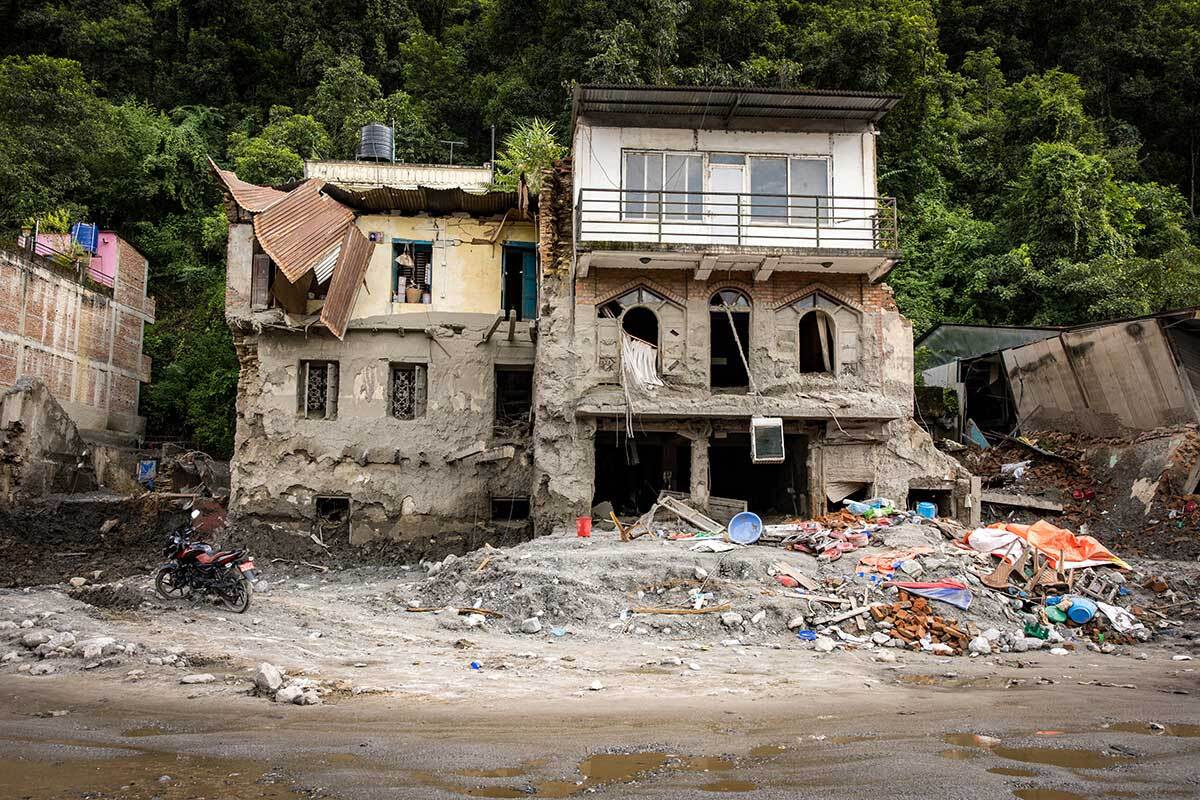
Himalayan countries, climate scientists and experts from across the Himalayan region have pledged to work on 10 priority areas to upgrade disaster preparedness, early warning systems and emergency response and recovery.
Known as the Kathmandu 10 Action Points, the recommendations were made in a meeting in Kathmandu following the catastrophic Rasuwa-Gyirong flood on 26 August. The meeting was convened by the Kathmandu-based International Centre for Integrated Mountain Development (ICIMOD).
Nepal’s National Disaster Risk Reduction and Management Authority (NDRRMA) which co-organised the meeting has reported that more than 1,400 people lost their lives, and approximately 6,000 remain unaccounted for. About 600 of those unaccounted for are nationals from 38 countries. Nepal has suffered economic losses exceeding $5 billion, equivalent to 15% of its GDP.
“We have had a number of wake-up calls, with the region seeing back-to-back mega-hazards. This is a slap in the face and time is running out,” said Pema Gyamtsho, Director General of ICIMOD. “A strengthened regional mechanism to help reduce future risks requires collaboration across countries, disciplines and institutions.”
In his address to the United Nations General Assembly on Thursday, Prime Minister Balendra Shah called for Nepal, India and China to work together to set up a trans-Himalayan early warning and response system for climate-induced disasters.
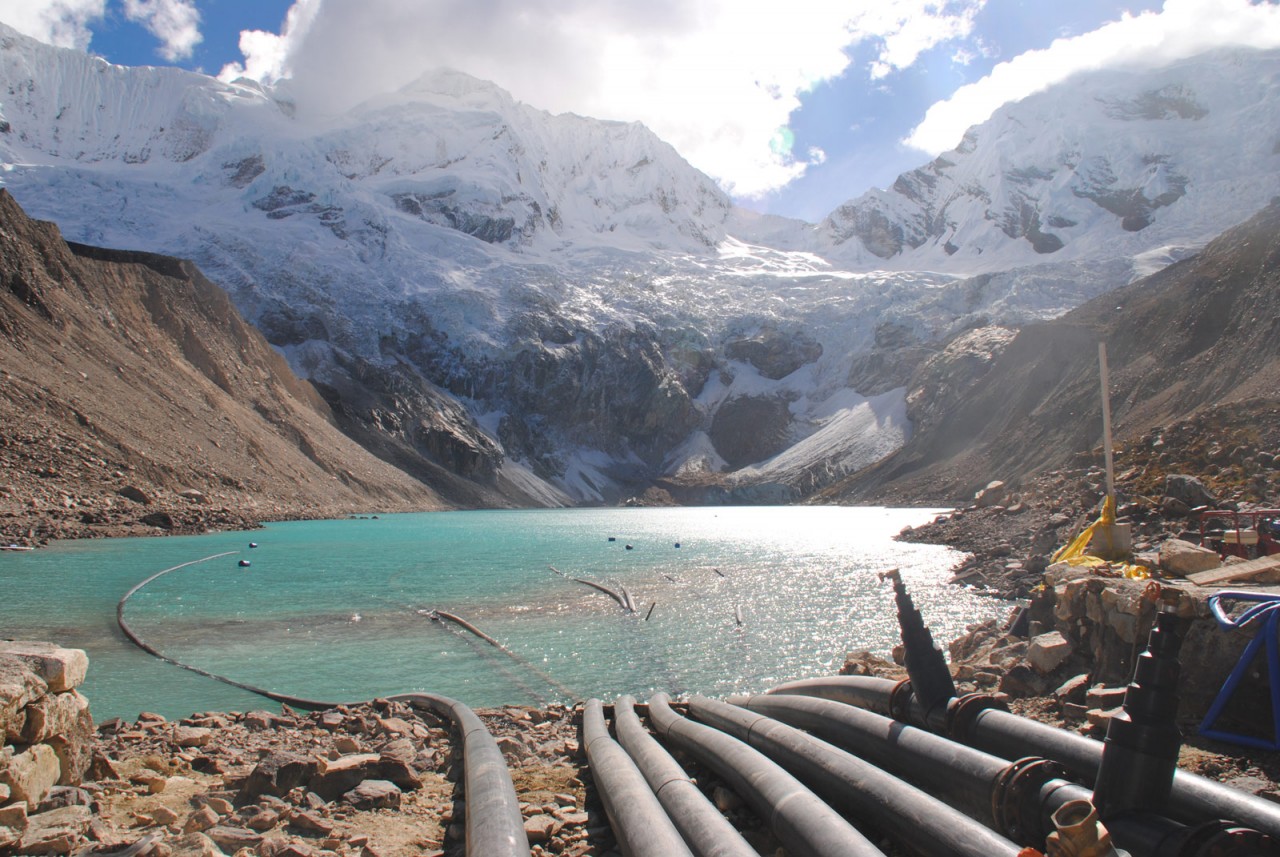
“We support the Government of Nepal and ICIMOD in learning from the catastrophic Rasuwa-Gyirong flood and in identifying solutions to strengthen detection, monitoring and early warning systems for future ice-rock avalanches and related hazards across the Hindu Kush Himalaya,” said Danielle Meuwly, Ambassador of Switzerland, which also supported the Kathmandu conference.






Comments
0 commentsNo comments yet — be the first.