

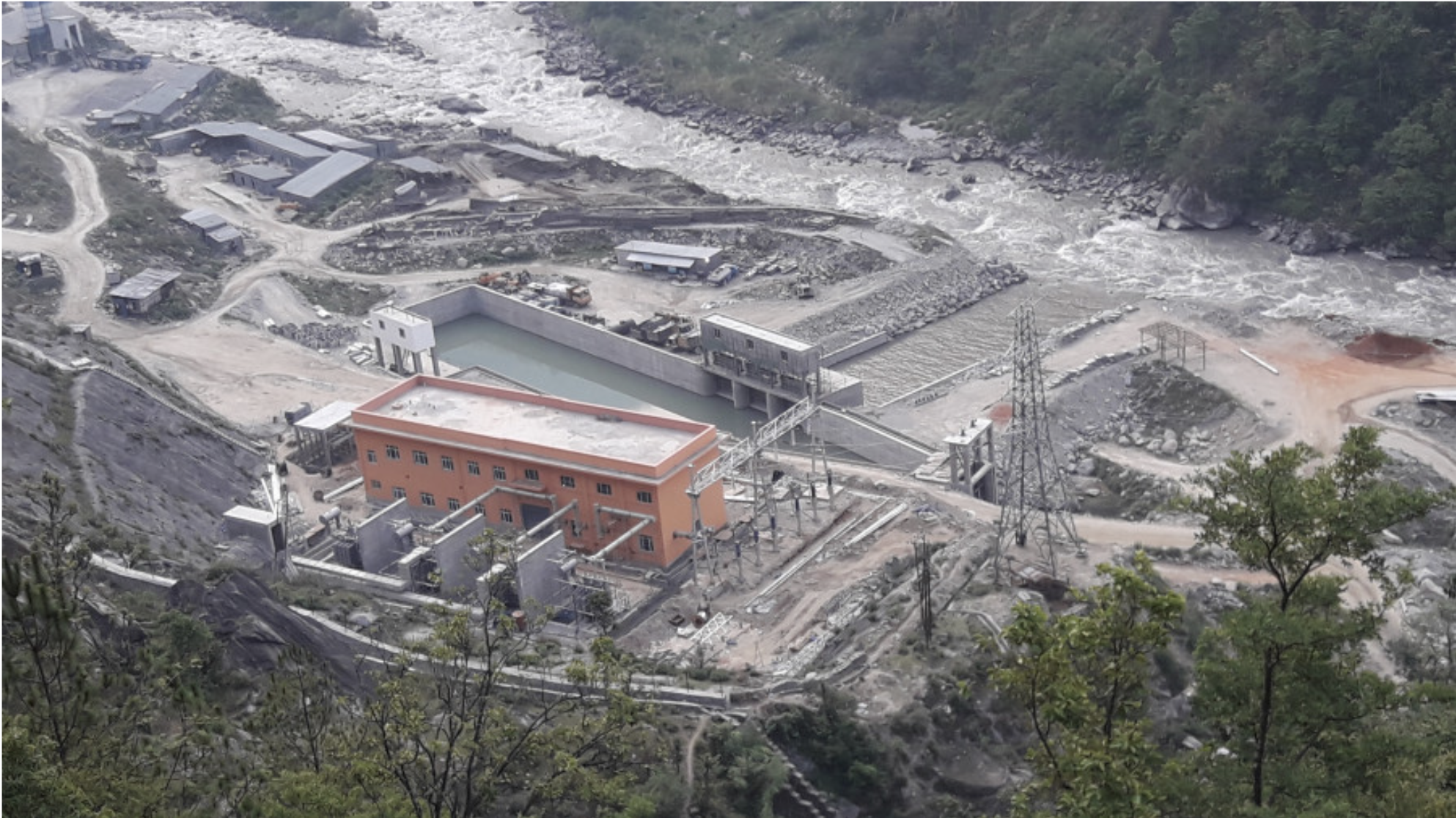
The World Weather Attribution rapid review last week of climate models based on weather observations and existing geological research reinforced what scientists have long argued: climate change is altering the physical conditions of the mountains.
A combination of geological and hydrological processes in the cryosphere caused the Bhote Kosi-Trisuli disaster. A warmer atmosphere, shifting rainfall and snowfall patterns, glacier and snow loss, and permafrost degradation can affect slope stability and the movement of water and sediment.
These changes interact with geology and topography and increase the likelihood or magnitude of cascading hazards.
The IPCC Fourth Assessment Report in 2007 described the Himalaya as a scientific ‘white spot’ because of limited hydro-meteorological stations and peer-reviewed research.
Two decades later, the region remains poorly understood. We know little about how permafrost dynamics are changing, snowfall and rainfall patterns are shifting, rain is reaching higher elevations, and rising temperatures affect snow and glaciers.
We also lack understanding of how these changes interact with the mountain slopes and river hydrology. The rivers are not what they were a century ago, their flows altered by dams, diversions, roads, settlements and infrastructure.
As climate and physical conditions change, we must ask what happens to dams and reservoirs when sediment loads increase exponentially? How should infrastructure be operated when the timing and intensity of floods shift? What happens to river-sharing when the hydrology on which they were based changes?
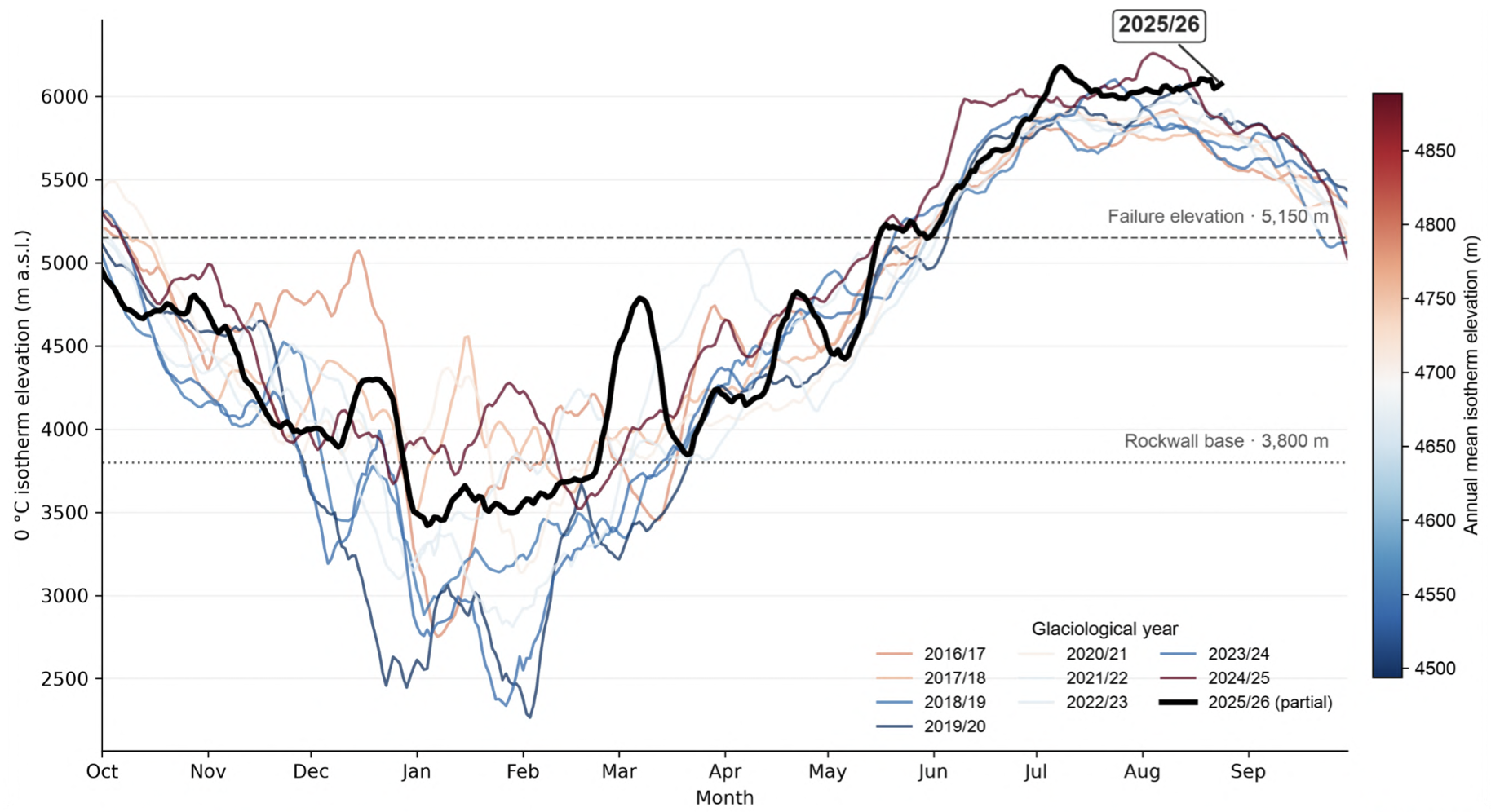
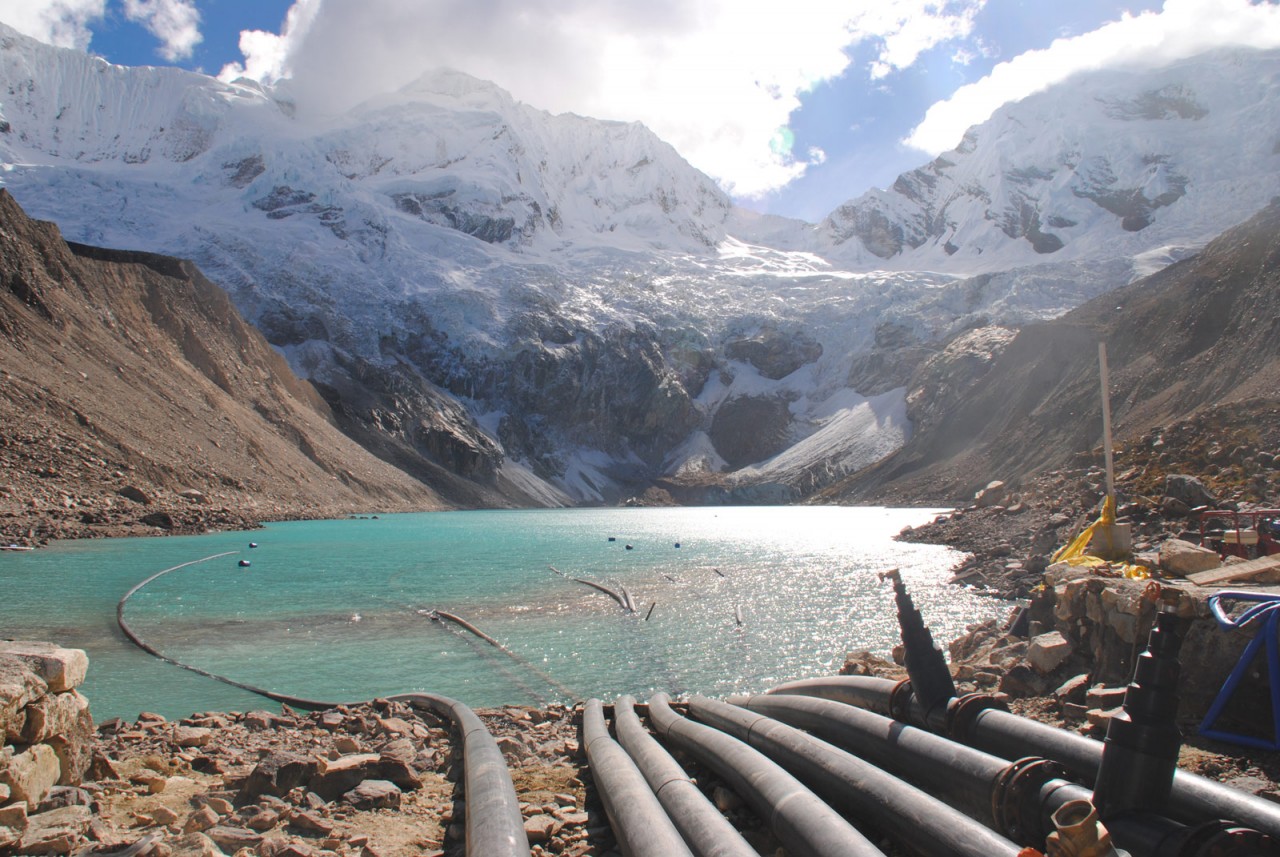
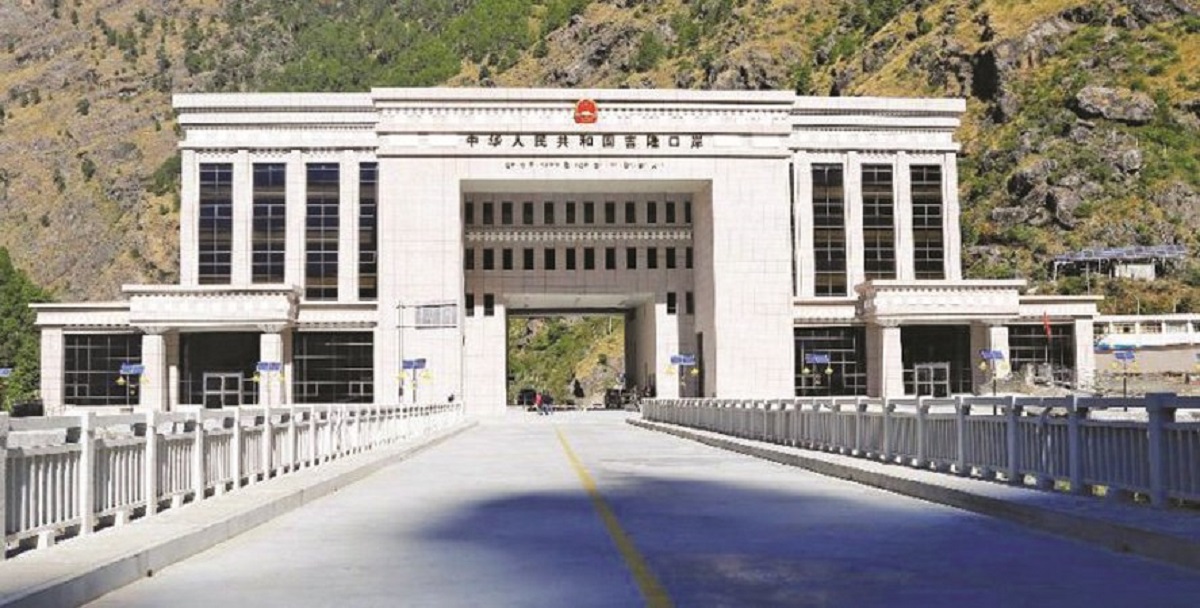
Photo credit: Nepali Times
AI ANALYSIS
Monitoring and research in the Himalaya are too limited for the scale and complexity of the changes underway. Advanced remote sensing can identify surface deformation across large and difficult-to-reach areas. AI can analyse large volumes of data and detect patterns more easily.
But technology alone is not enough. Satellites can show that a surface is moving, they cannot by themselves explain what is happening beneath it. Its value depends on institutions, skilled people, field observations, and sustained resources. Ground-based research remains essential. We need long-term field research, ground and satellite monitoring, better geological and cryosphere data, early-warning systems, and institutions capable of interpreting information and communicating warnings in time.
Scientific knowledge becomes useful only when it reaches those who manage risks and those who may be exposed to them. This means thinking about redundancy, particularly in the last mile. A warning system is only as strong as the people and institutions that can act on it.






Comments
0 commentsNo comments yet — be the first.