

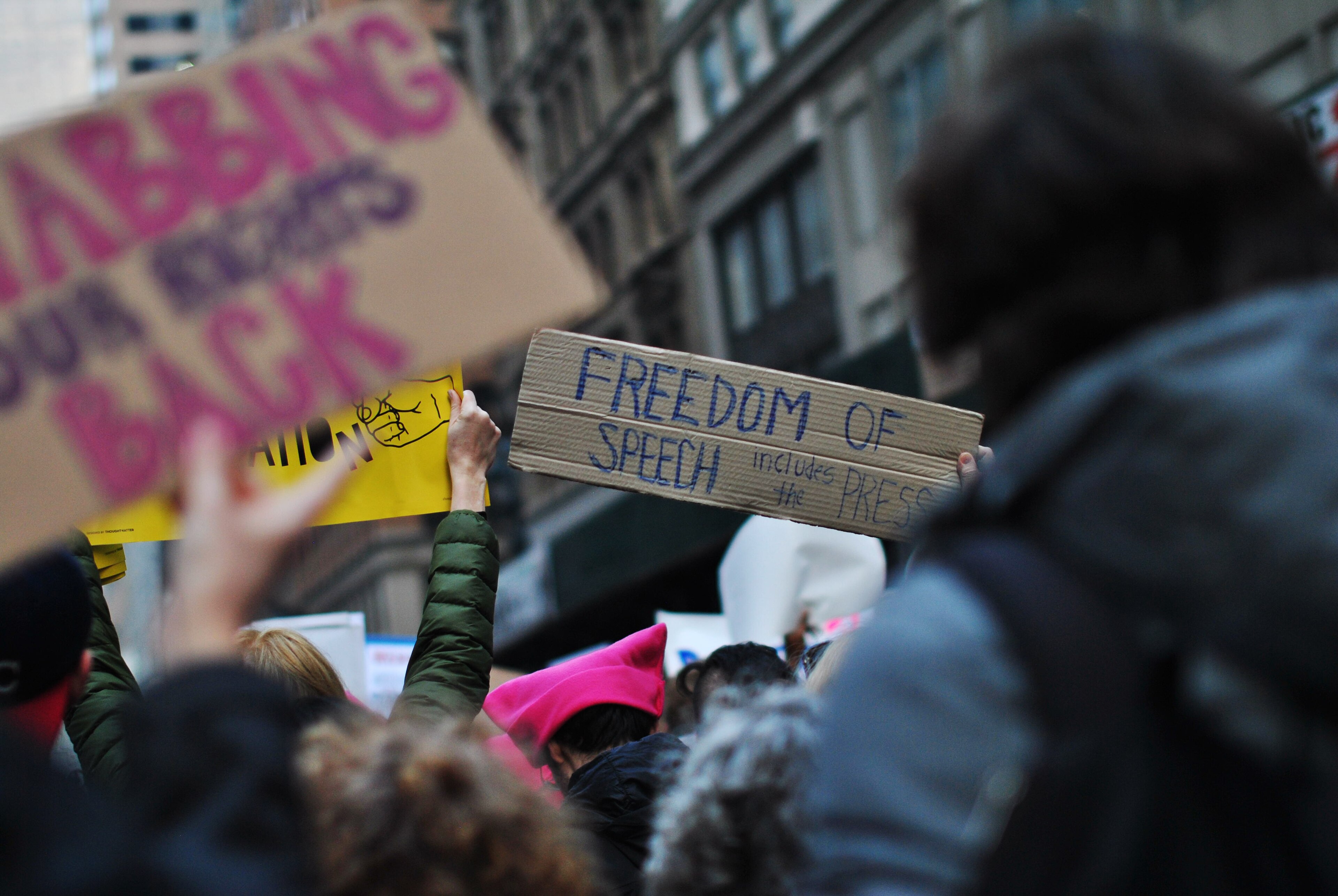
We are not short of information. We have never had more of it. Yet across the world, people struggle to answer the simplest questions: What actually happened? Who decided what? Is it true?
This is the paradox of our age. The most connected societies in history are also among the most vulnerable to confusion, manipulation and distrust. Information moves faster than accountability. Algorithms reward outrage before accuracy. Artificial intelligence generates plausible falsehoods at scale. In such an environment, the right to know is not just a matter of transparency; it is the heartbeat of freedom.
Without an accurate understanding of what is going on and what is being done in your name, the fog of deceit thickens, and bad actors can mislead with impunity.
Society is most vulnerable when access to information is denied. Access Now and the #KeepItOn coalition documented 313 internet shutdowns in 52 countries in 2025, the highest number ever recorded. Shutdowns block journalism, silence communities and deny people potentially life-saving information.
Access to information laws are an anchor of information integrity, and UNESCO’s latest monitoring shows progress. Its 2025 survey showed that 141 countries have legal guarantees for access to information. But adoption is not implementation, and many countries still face practical gaps in oversight, appeals, enforcement, record-keeping and data management. Of the countries surveyed, 51 could not provide record-keeping data despite reporting to have systems or procedures in place.
Information commissioners and other overseers turn legal provisions into enforceable rights. Yet many of them are hampered by weak mandates, delayed appointments, budget cuts, political interference, limits on their powers and attacks on their independence. For access to information to work, these bodies must be protected by law, given adequate powers and resources, and shielded from undue influence.





Comments
0 commentsNo comments yet — be the first.